

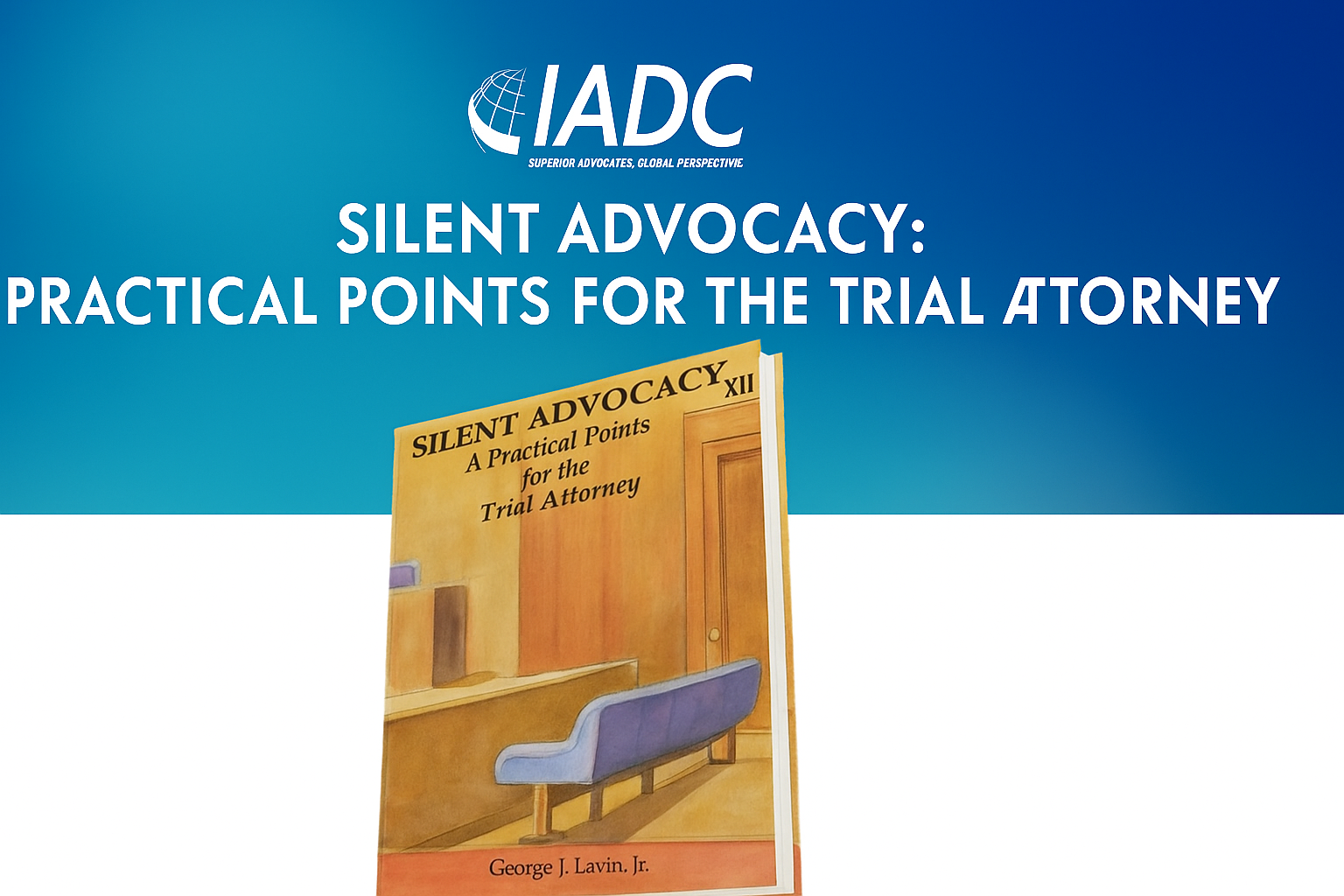
Silent advocacy in trial law is where cases are truly won—long before opening statements begin.
- Service as an official court reporter in the Philadelphia Court of Common Pleas and the United States District Court for the Eastern District of Pennsylvania, with experience relevant to silent advocacy trial law.
- Achievement of the highest national court reporter certifications through rigorous testing in the United States
- More than 33 years as a freelance court reporter and owner of a litigation support and reporting agency
- Teaching courtroom technology as an adjunct instructor in the Temple University Beasley School of Law LL.M. Trial Advocacy program
- Certified TrialDirector Trainer, with experience teaching trial presentation technology to lawyers and law firms
- Co-founder of the Evolve program for the Federation of Defense and Corporate Counsel
- Faculty member and instructor in the FDCC Deposition Bootcamp program
ANSWER BLOCK
What is Silent Advocacy in trial law?
Silent advocacy is the nonverbal and strategic influence a trial lawyer creates through preparation, credibility, organization, and courtroom presence—shaping how a jury perceives the case before arguments are even made.
Key Takeaways
- Silent advocacy shapes outcomes early. Jurors begin forming trust before arguments are ever made.
- Credibility drives persuasion. How you present matters as much as what you say.
- Preparation is visible. Organization and control signal competence to judges and juries.
- Trust influences how evidence is received. Jurors interpret facts through the lens of credibility.
- Great trial lawyers teach—not argue. The strongest cases are explained clearly, not forced.
- Every courtroom moment communicates something. From posture to pacing, nothing is neutral.
This is why silent advocacy in trial law remains one of the most powerful forces in courtroom success.
Silent advocacy is often the difference between being heard—and being believed.
In trial practice, success is not driven only by powerful cross-examination or persuasive closing arguments. It begins much earlier. It is built through preparation, professionalism, credibility, and the subtle signals a lawyer sends to a jury throughout the case.
This page brings together a series of real-world lessons, courtroom insights, and teaching principles rooted in decades of experience—from courtrooms, depositions, and trial presentations to legal education and mentorship. In silent advocacy in trial law, preparation and credibility often matter more than performance.
Jurors don’t just evaluate evidence—they evaluate the lawyer presenting it
Silent advocacy is not theory to me—it is something I watched, learned, and experienced firsthand over decades in courtrooms across Philadelphia and beyond. The lessons from George J. Lavin, Jr., Esquire, Chitlton Davis Varner, Esquire and others were not taught through lectures—they were demonstrated through preparation, professionalism, and presence. This hub brings those lessons together in a way that lawyers, students, and trial teams can understand and apply.
— Thomas G. Oakes, Editor
Why Silent Advocacy Wins Cases Before Trial Begins
- Jurors begin forming opinions immediately
- Credibility is established long before closing arguments
- Organization signals competence
- Professionalism builds trust
- Preparation reduces risk and increases control
Jurors often decide who they trust before they fully understand the evidence. Understanding silent advocacy in trial law helps explain why juries trust certain lawyers over others.
The Core Principles of Silent Advocacy
1. Credibility Is Everything
Your tone, conduct, and consistency shape how every word is received.
2. Preparation Is Visible
Disorganization is obvious—to judges, juries, and opposing counsel.
3. Teach—Don’t Argue
The most effective trial lawyers guide jurors rather than confront opponents.
4. Every Moment Communicates Something
From how you stand to how you handle exhibits—everything matters.
Silent Advocacy Series — Lessons from the Courtroom
🔹 Featured Articles
This Silent Advocacy hub expands on these principles through real courtroom lessons, teaching insights, and practical trial strategies.
- The Lavin Method: Silent Advocacy as Legacy and Trial Strategy
- The Lavin Method – Silent Advocacy
- Silent Advocacy Series: Lesson 1 — Why Bother?
- Silent Advocacy Series: Lesson 2 — Risk and Decision-Making
- Silent Advocacy, Chapter VI — Modern Jury Trials
- Court Officials: The Forgotten Key to Silent Advocacy
- The Lavin Method – Chapter 3 (Part 1): The Pre-Trial Phase When You’re Still Far From Trial
- Chapter IV: The Final Pre-Trial Meeting with the Court
- The Lavin Method – Chapter 3, Part 2 – Taking the Expert’s Deposition
Silent Advocacy in Action (Real Courtroom Example)
A rare Philadelphia federal trial where two elite trial lawyers demonstrated Silent Advocacy at its highest level—no objections in front of the jury, complete preparation, and a perfectly controlled courtroom environment.
Silent Advocacy in Trial Law: Why It Matters
Silent advocacy influences:
- Jury perception of credibility
- How evidence is received
- The effectiveness of witnesses
- Judicial confidence in counsel
- Opposing counsel’s strategy
“Trial success is rarely determined in the closing argument—it is built in the quiet moments throughout the case.”
Real Experience Behind These Lessons
The principles of Silent Advocacy presented here are grounded in decades of real courtroom experience and legal education, including:
- Service as an official court reporter in the Philadelphia Court of Common Pleas and the United States District Court for the Eastern District of Pennsylvania
- Achievement of the highest national court reporter certifications through rigorous testing, including credentials from the National Court Reporters Association and multiple state associations, including Pennsylvania, New Jersey, Delaware, and Maryland
- More than 33 years as a freelance court reporter and owner of a litigation support and reporting agency
- Before retiring, he previously taught courtroom technology as an adjunct instructor in the Temple University Beasley School of Law LL.M. Trial Advocacy program (see curriculum), where he received the 2013 Faculty Award for ‘Art of Technology in the Courtroom.’
- Certified TrialDirector Trainer, teaching trial presentation technology to lawyers, law firms, and litigation teams
- Instruction and training provided to judges, law clerks, paralegals, and trial teams on courtroom technology and trial presentation
- Presenter at bar associations throughout Pennsylvania, as well as national organizations including the International Association of Defense Counsel, the Federation of Defense and Corporate Counsel, and the American Bar Association
- Co-founder of the Evolve program for the Federation of Defense and Corporate Counsel
- Faculty member and instructor in the FDCC Deposition Bootcamp program
These experiences reflect a career built inside courtrooms, depositions, and trial preparation—where credibility, preparation, and presentation are not theoretical concepts, but daily practice.
Explore More Trial Strategy and Courtroom Insights
- Trial & Courtroom Technology
- Legal Education & Trial Skills
- Philadelphia Legal News Digest
Why This Matters Beyond the Courtroom
Understanding how cases are built, presented, and perceived helps explain why outcomes happen—and why preparation matters long before trial.
👉 For real-world applications of these principles in injury cases and litigation strategy, visit:
PhillyLegalConnect.com
Continue Exploring the Silent Advocacy Library
This article is part of the Silent Advocacy Library at Philly Legal News—an educational series exploring the timeless trial advocacy principles developed by George J. Lavin, Jr., Esquire, together with commentary and practical observations from Thomas G. Oakes based on decades of experience as a court reporter, courtroom technologist, educator, and litigation consultant.
Start here:
Silent Advocacy Library (Hub Page)
This cornerstone page provides the complete introduction to the series and
links to every Silent Advocacy article.
Explore the Silent Advocacy Library
Foundations
- Why Silent Advocacy? Why Bother?
- The Lavin Method – Trial Preparation
- The Lavin Method: Silent Advocacy as Legacy and Trial Strategy
Working with the Court
Preparing the Case
- The Ultimate Pre-Trial Checklist for Trial Lawyers
- Silent Advocacy Series: Lesson 2 – Should You Take a Civil Case to Trial?
- Taking the Expert’s Deposition
Inside the Courtroom
- Silent Advocacy in Action: The Battle of the Attorneys
- Silent Advocacy – Chapter VI
- Silent Advocacy – Chapter XI: Direct Examination
Additional Trial Advocacy Resources
- Trial & Deposition Technologies Resource Center
- Legal Education, Trial Technology & Professional Archive
The Silent Advocacy Library continues to grow. Future chapters will explore witness preparation, cross-examination, courtroom technology, jury persuasion, trial professionalism, and the enduring lessons of George J. Lavin, Jr., Esquire, together with practical observations from Thomas G. Oakes’ decades inside courtrooms throughout Philadelphia and beyond.
Frequently Asked Questions About Silent Advocacy
What is silent advocacy in simple terms?
Silent advocacy is how a lawyer influences a jury without speaking—through preparation, credibility, and presence.
Why is silent advocacy important in trial law?
Because jurors form trust early, and trust determines how evidence is interpreted.
Who developed the concept of silent advocacy?
The concept is strongly associated with George J. Lavin, Jr., whose teachings emphasized preparation, professionalism, and credibility.
Can silent advocacy be learned?
Yes. It is developed through experience, mentorship, and deliberate attention to preparation and courtroom behavior.
About the Author — Thomas G. Oakes
Thomas G. Oakes is a 45+ year legal professional in Philadelphia and the founder/editor of PhillyLegalNews.com and PhillyLegalConnect.com. He served for many years as an official court reporter in the Philadelphia Court of Common Pleas and the U.S. District Court for the Eastern District of Pennsylvania, and has worked as a freelance court reporter in state and federal courts for decades.
He holds the highest national court reporter certifications through rigorous testing, including credentials from the National Court Reporters Association and multiple state associations, including Pennsylvania, New Jersey, Delaware, and Maryland. Tom was also the principal of Thomas G. Oakes Associates, a Philadelphia-based litigation support and trial technology firm serving attorneys nationwide for more than 33 years.
In addition to courtroom work, Tom is a nationally recognized leader in trial technology and a Certified TrialDirector Trainer. He has trained lawyers, judges, law clerks, paralegals, and trial teams in courtroom presentation and technology, and taught in Temple University’s LL.M. in Trial Advocacy program (with special recognition).
He has lectured at bar associations throughout Pennsylvania and nationally for organizations including the Federation of Defense and Corporate Counsel (FDCC), the International Association of Defense Counsel (IADC), and the American Bar Association (ABA). He is also a co-founder of the FDCC Evolve program and an instructor in the FDCC Deposition Boot Camp.
Award: Temple University LL.M. in Trial Advocacy — 2013 Faculty Award for “Art of Technology in the Courtroom.”
Disclaimer
This article is for general informational and educational purposes only and does not constitute legal advice. Reading this content does not create an attorney–client relationship. If you need legal advice about a specific situation, consult a qualified attorney in the appropriate jurisdiction.
About Philadelphia Legal News
Philadelphia Legal News is an educational publication dedicated to trial advocacy, legal technology, courtroom practice, and the history of the legal profession. Drawing on more than four decades of firsthand courtroom experience, Thomas G. Oakes shares practical insights, historical perspective, and commentary designed to benefit lawyers, judges, legal professionals, law students, and anyone interested in the evolution of the legal profession.