

Silent Advocacy is a trial strategy where attorneys control the courtroom through preparation, discipline, and structured presentation—eliminating distractions so the jury focuses entirely on the evidence and the law. In a rare Philadelphia federal trial, two elite lawyers demonstrated this approach by presenting an entire case without a single objection in front of the jury.
Answer: Silent Advocacy is a trial strategy where attorneys control the courtroom through preparation, discipline, and structured presentation—eliminating distractions so the jury can focus entirely on the evidence and the law.
Silent Advocacy in Action is not just a theory—it is a real-world trial strategy demonstrated in a Philadelphia federal courtroom where two elite attorneys presented a complete case without a single objection in front of the jury. This true story shows how preparation, discipline, and courtroom control can create the ideal environment for justice.
Most trial lawyers talk about preparation. Some talk about strategy. But very few ever truly experience what George J. Lavin, Jr., Esquire described as the highest form of courtroom practice: Silent Advocacy. This article shares a true story of Silent Advocacy in Action in a Philadelphia federal courtroom.
This is a true story of Silent Advocacy in action as told by George J. Lavin, Jr., Esquire.
It involves two of the finest trial lawyers of their era.
And it demonstrates what can happen when both sides are so prepared, so disciplined, and so committed to the integrity of the trial that the courtroom becomes the perfect environment for justice.
Key Takeaways from This Trial
What makes this trial exceptional is not just the outcome, but how it was conducted. These key takeaways reflect Silent Advocacy at its highest level:
- No objections in front of the jury: All disputes were resolved privately, preserving a clean courtroom presentation.
- Elite preparation: Both attorneys eliminated surprises through complete command of the case.
- Controlled courtroom environment: No theatrics, no interruptions, and no distractions for the jury.
- Maximum jury clarity: Evidence was presented in a structured, efficient, and easy-to-follow manner.
A Conversation After a Long Deposition in Old City
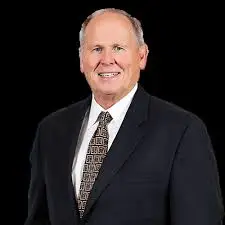
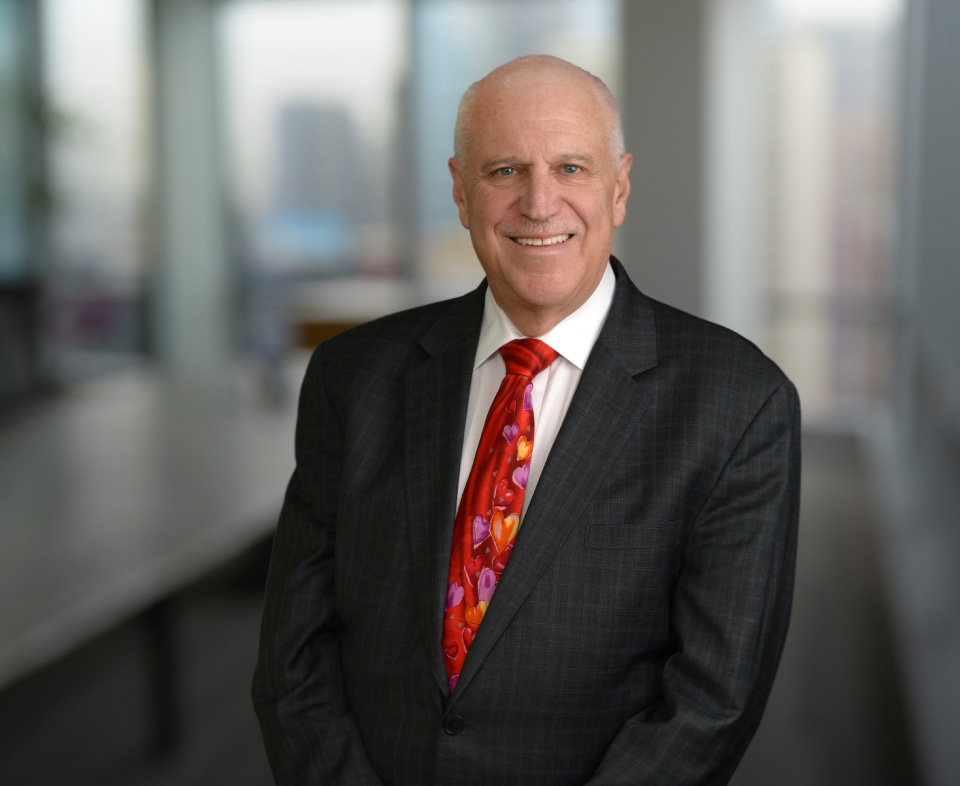
Years ago, after a deposition at the Lavin firm’s Old City office, Mr. Lavin walked into the conference room with his colleague, Edward A. Gray, Esquire The deposition—handled by Bill Ricci, Esquire—had run from mid-morning into late afternoon. When it finally ended, Mr. Lavin began discussing ideas for the book he was writing, Silent Advocacy.
Around the table sat several attorneys and me, the court reporter.
Lavin turned, looked at me, and said something I had never considered:
“Tom, you have been in more trials than most of us, if not all of us combined.”
After many years in the Court of Common Pleas and the U.S. District Court for the Eastern District of Pennsylvania, I had probably reported more than 500 trials—civil, criminal, bench, and jury. I saw extraordinary attorneys. I saw unprepared attorneys. And I saw countless strategies unfold from behind the stenotype machine.
But the story Lavin shared next was something I had never once seen in any of those trials, despite the hundreds I had reported. Moments like these were exactly what shaped the Silent Advocacy approach that George J. Lavin, Jr. became known for.
This moment represents Silent Advocacy in Action at its highest level—where preparation replaces conflict and structure replaces chaos.
Having reported hundreds of trials across the Philadelphia Court of Common Pleas and the U.S. District Court for the Eastern District of Pennsylvania, I can say this level of courtroom control is extraordinarily rare. Most trials are filled with objections, interruptions, and tactical disputes. What Mr. Lavin described—and what I never witnessed firsthand in all those years—is a courtroom where preparation eliminates conflict entirely. That is what makes Silent Advocacy so powerful.
Silent Advocacy in Action: A Federal Trial With No Objections in Front of the Jury
The case was a significant products liability matter tried in the Eastern District of Pennsylvania.
On one side was:
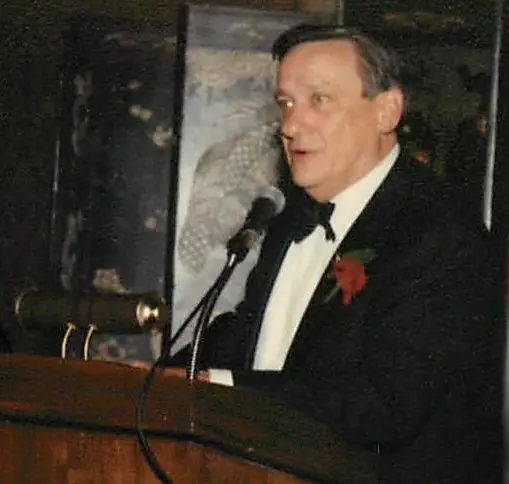
George J. Lavin, Jr., Esquire
On the other side was:
Charles G. Young III, Esquire, of the legendary Litvin, Blumberg, Matusow & Young firm—one of the premier plaintiff personal injury firms in Philadelphia at the time.
Together, George J. Lavin, Jr. and Charles G. Young III represented two of the most respected trial advocacy traditions in Philadelphia—each bringing a level of preparation and discipline rarely seen in modern courtroom prac
Both firms were located in Old City, just steps away from the federal courthouse. Both attorneys were elite. Both were respected. And both were known for mastering the courtroom.
What happened next is almost unheard of in modern trial practice:
There were no objections in front of the jury. Not one.
No raised voices.
No arguments.
No surprise evidence fights.
No courtroom theatrics.
This does not mean they agreed on the merits.
It does not mean the case lacked intensity.
And it absolutely does not mean either lawyer backed down.
Instead, it means something more exceptional:
They agreed—quietly, professionally—on how the evidence would be presented.
Sidebars happened.
Chambers discussions occurred.
But the jury never saw friction or procedural battles. They saw only a clean, structured, master-level presentation of evidence.
The professionalism displayed in this trial reflected Silent Advocacy as George J. Lavin taught it: total preparation without theatrics.
The Battle of the Attorneys — And a “Tie” at the Highest Level
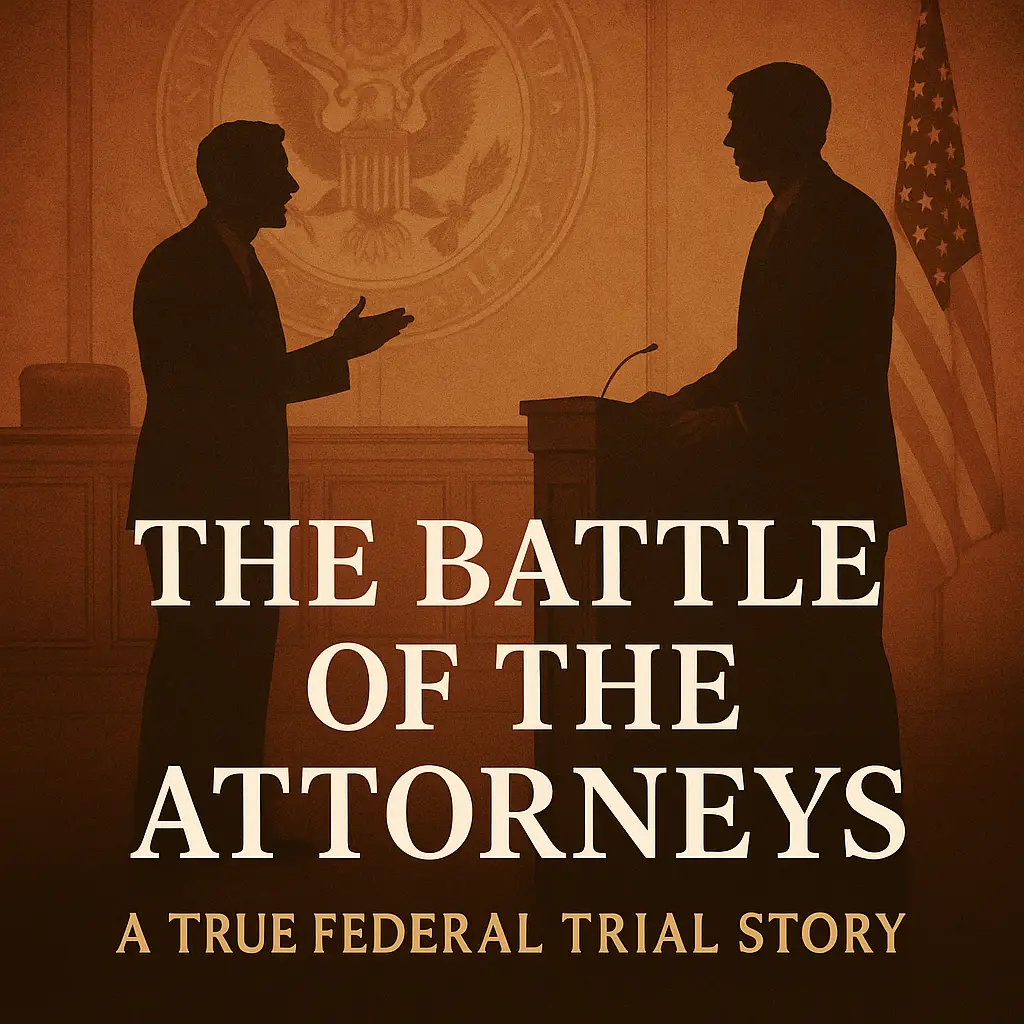
Lavin often spoke of a principle he called “The Battle of the Attorneys.”
It was the unwritten competition between lawyers that takes place during every trial.
In this case, Lavin said the battle ended in a tie.
Both attorneys were so prepared that neither could gain ground through surprise or confusion. They neutralized each other’s advantages—not through force, but through discipline, respect, and mastery of the rules.
It was Silent Advocacy at its peak:
No noise.
No ego.
No wasted movements.
Just two exceptional trial lawyers doing what they do best.
Why Silent Advocacy Benefits Everyone in the Courtroom
In my decades of court reporting, I never saw a trial where both sides practiced law at this level. When attorneys commit to this approach:
- Judges are not forced to referee disputes.
- Court staff can focus entirely their roles and on the record.
- The trial moves with clarity and efficiency.
- The jury receives evidence without distraction.
Most importantly:
The jury gets the best possible chance to find the truth.
Trials become cleaner.
Arguments become sharper.
Justice becomes clearer.
This is why Silent Advocacy matters.
It is not passive.
It is not soft.
It is not simplistic.
It is the highest form of trial control—achieved not through volume, but through preparation and respect for the courtroom.
A Rare Moment of Perfection in a Philadelphia Federal Courtroom
The Lavin–Young trial remains one of the purest examples of Silent Advocacy in Action ever described. It shows what happens when:
- both sides are fully prepared,
- both sides trust the jury to decide the case, and
- both sides are committed to fairness in the presentation of evidence.
For one brief moment, two attorneys—George J. Lavin, Jr. and Charles G. Young III—created a trial environment so exceptional that even a court reporter with hundreds of trials behind him had never seen anything like it.
It was, quite simply, the perfect storm for justice.
🔑 Continue the Silent Advocacy Series
This article is part of a larger framework on Silent Advocacy and courtroom strategy. To explore more real-world examples, trial insights, and practical lessons, visit:
As this example of Silent Advocacy in Action shows, the most powerful courtroom strategies are often the quietest.
⭐ FAQ: Silent Advocacy and Trial Practice
What is Silent Advocacy in trial practice?
Silent Advocacy is a trial philosophy emphasized by George J. Lavin, Jr., Esquire. It focuses on complete preparation, disciplined presentation of evidence, respect for the rules, and control of the courtroom without theatrics. Instead of relying on loud objections or showmanship, the lawyer quietly shapes how the evidence reaches the jury so the focus stays on the facts and the law.
How did Silent Advocacy appear in the Lavin–Young federal trial?
In the products liability trial involving George J. Lavin, Jr., Esquire and Charles G. Young III, Esquire, both attorneys were so thoroughly prepared that not a single objection was made in front of the jury. Any procedural or evidentiary issues were addressed privately at sidebar or in chambers. The jury received a clean, uninterrupted presentation of both sides’ cases.
Why is a “no-objection” trial rare in federal court?
Most trials involve frequent objections, disputes about evidence, and courtroom interruptions. A no-objection trial requires both sides to be extremely well prepared, transparent about their case materials, and disciplined enough to resolve disagreements outside the jury’s presence. That level of professionalism is uncommon even among experienced trial practitioners.
How does Silent Advocacy help the judge and jury?
Silent Advocacy reduces noise in the courtroom. Judges spend less time managing disputes. Court staff can focus entirely on maintaining an accurate record. Most importantly, jurors remain engaged and are not distracted by conflict between attorneys. This allows them to focus on the evidence and reach a fair verdict based on testimony and the Court’s instructions.
Can Silent Advocacy be effective in high-stakes personal injury and product liability cases?
Absolutely. Silent Advocacy is not passive and does not weaken a lawyer’s position. In fact, in complex or high-stakes trials, it can make advocacy even more powerful. When both sides present clear, disciplined cases without gamesmanship, the jury receives the best possible environment to evaluate the facts — and strong advocacy stands out even more.
About the Author — Thomas G. Oakes
Thomas G. Oakes is a 45+ year legal professional in Philadelphia and the founder/editor of PhillyLegalNews.com and PhillyLegalConnect.com. He served for many years as an official court reporter in the Philadelphia Court of Common Pleas and the U.S. District Court for the Eastern District of Pennsylvania, and has worked as a freelance court reporter in state and federal courts for decades.
He holds the highest national court reporter certifications through rigorous testing, including credentials from the National Court Reporters Association and multiple state associations, including Pennsylvania, New Jersey, Delaware, and Maryland. Tom was also the principal of Thomas G. Oakes Associates, a Philadelphia-based litigation support and trial technology firm serving attorneys nationwide for more than 33 years.
In addition to courtroom work, Tom is a nationally recognized leader in trial technology and a Certified TrialDirector Trainer. He has trained lawyers, judges, law clerks, paralegals, and trial teams in courtroom presentation and technology, and taught in Temple University’s LL.M. in Trial Advocacy program (with special recognition).
He has lectured at bar associations throughout Pennsylvania and nationally for organizations including the Federation of Defense and Corporate Counsel (FDCC), the International Association of Defense Counsel (IADC), and the American Bar Association (ABA). He is also a co-founder of the FDCC Evolve program and an instructor in the FDCC Deposition Boot Camp.
Award: Temple University LL.M. in Trial Advocacy — 2013 Faculty Award for “Art of Technology in the Courtroom.”
Disclaimer
This article is for general informational and educational purposes only and does not constitute legal advice. Reading this content does not create an attorney–client relationship. If you need legal advice about a specific situation, consult a qualified attorney in the appropriate jurisdiction.