

Chapter V – The Silent Advocacy Series
The Lesson That Began It All
When George J. Lavin, Jr. published Silent Advocacy, he offered more than a trial manual — he offered a code of professional decency. In Chapter V, “Court Officials,” he recalled the moment he first learned that lesson in a Philadelphia courtroom. “The Forgotten Key to Silent Advocacy.”
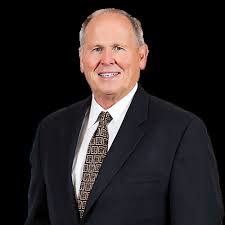
Editor’s Note — George J. Lavin, Jr.
“I was fortunate enough to be able to learn how to be a trial attorney by trying actual cases. But when I first walked into a courtroom, the day after my bar admission, I did not feel fortunate at all. The truth is that I was scared to death. It was May 1960, and I was to try my very first case.
Somehow, I knew I should arrive early. The trial was to be at the old Municipal Court in Philadelphia… That early in the morning, the only other person there turned out to be a court officer. I introduced myself to him and described my plight. His name was John Bonnewell… Following his cheerful advice and words of wisdom, based upon his many years of service, turned out to be enormously helpful to me.
Then and there, I learned a most valuable lesson: get to know the court officials, and see if you can get them to like you.”
— George J. Lavin, Jr.
That short encounter — a young lawyer and a veteran court officer sharing a moment of kindness before dawn in Municipal Court — became the cornerstone of Lavin’s philosophy. Court officials, he argued, are not mere functionaries. They are the heartbeat of justice.
Why Court Officials Matter
Every trial lawyer understands the importance of a judge’s ruling or a jury’s reaction. But Lavin reminded us that the bailiff, the clerk, the law clerk, and the court reporter also shape the rhythm of a trial. These individuals see everything that happens in the courtroom — the demeanor of lawyers, the tone of exchanges, and the respect (or lack thereof) with which each participant treats others.
Lavin’s message was clear: if you respect the people who keep the system running, the system will quietly respect you back.
Editor’s Note — Thomas G. Oakes
I met George J. Lavin, Jr. in 1983 when I was an official court reporter in the United States District Court for the Eastern District of Pennsylvania. From that day forward, we became fast friends for more than three decades.
George had a way of turning every courtroom encounter into a lesson in grace. He believed that respect for court officials — clerks, bailiffs, law clerks, and court reporters — was not just courtesy but strategy. He practiced what he preached. Whether greeting a court officer by name or thanking a reporter for a long day’s transcript, George understood that the courtroom runs on human respect as much as legal authority.
This chapter of Silent Advocacy reflects everything I saw in him firsthand: professionalism without pretense, humor without ego, and deep appreciation for the people who keep justice moving quietly behind the scenes.
Professional Courtesy and Courtroom Culture
Philadelphia’s court community has always valued courtesy. Lavin observed that lawyers who understood this — who treated court staff with the same professionalism they offered a judge — often found that their cases ran smoother, their reputations rose faster, and their relationships in the courthouse were stronger.
He wasn’t talking about flattery. He meant genuine decency. Simple gestures like providing a witness list to the reporter, a copy of a deposition that an expert may quote from, or helping a bailiff move an exhibit board, convey a level of awareness that jurors and judges notice.
Editor’s Note — Chilton D. Varner
“Yes, the simple practice of good manners can reap great benefits. In a most difficult trial, one involving a plaintiff with catastrophic injuries, the jury had deliberated for several days… Before the jury had fully assembled to announce their verdict, the federal marshal turned to me and asked, ‘How are you holding up?’ I said, ‘I’m not sure. It depends on this jury.’ The marshal gave me a discreet wink. With that wink, much of the pressure-filled wait for the jury’s verdict eased… I learned later that the marshal had overheard a telling comment as the jurors proceeded down the hall.”
— Chilton D. Varner
Ms. Varner’s story is a reminder that respect creates rapport — and rapport creates trust. Jurors sense it. Court personnel feel it. Even opposing counsel recognize it. Professional courtesy is not a performance; it’s a habit that elevates every advocate in the room.
A Philadelphia Legacy
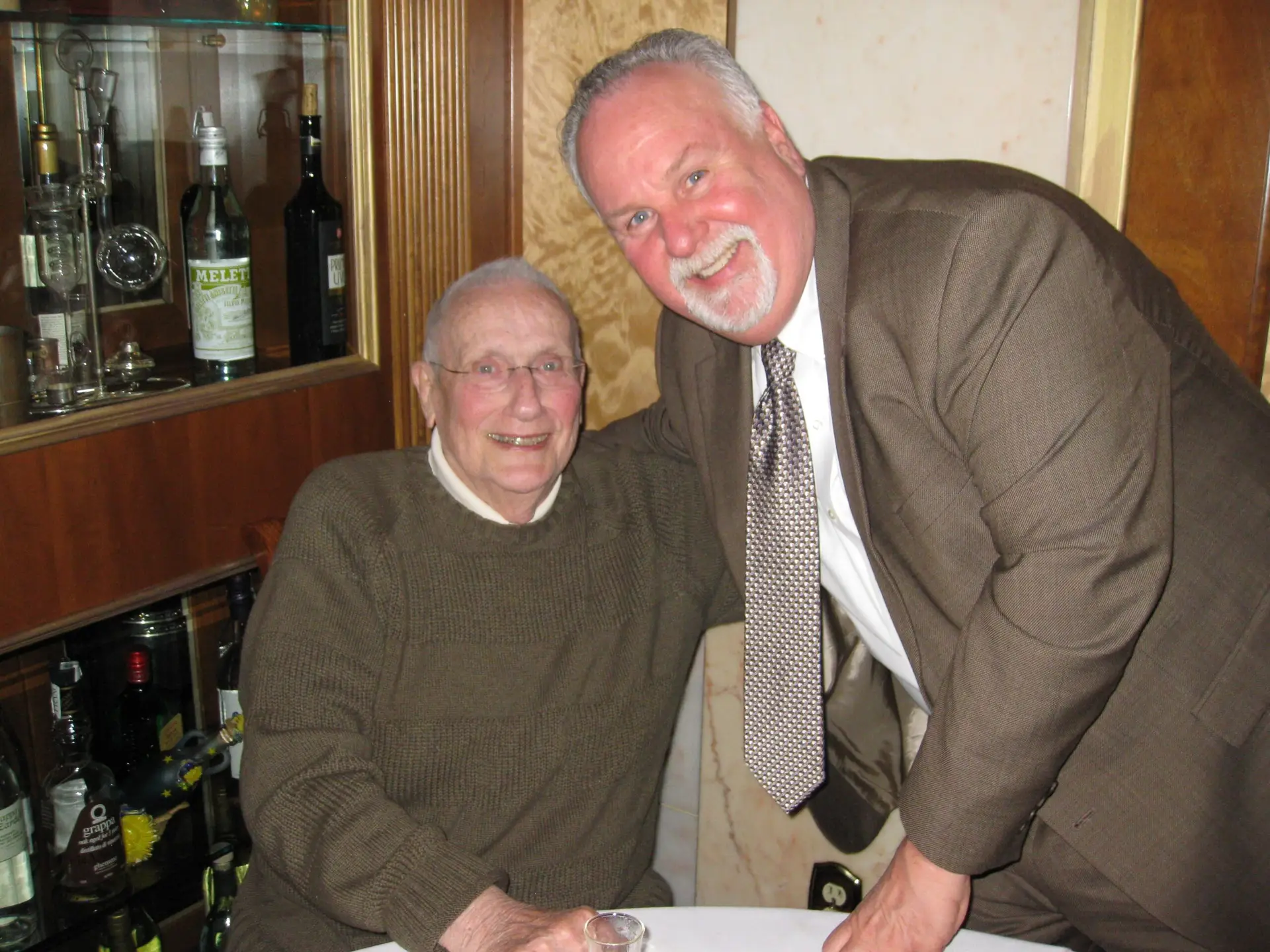
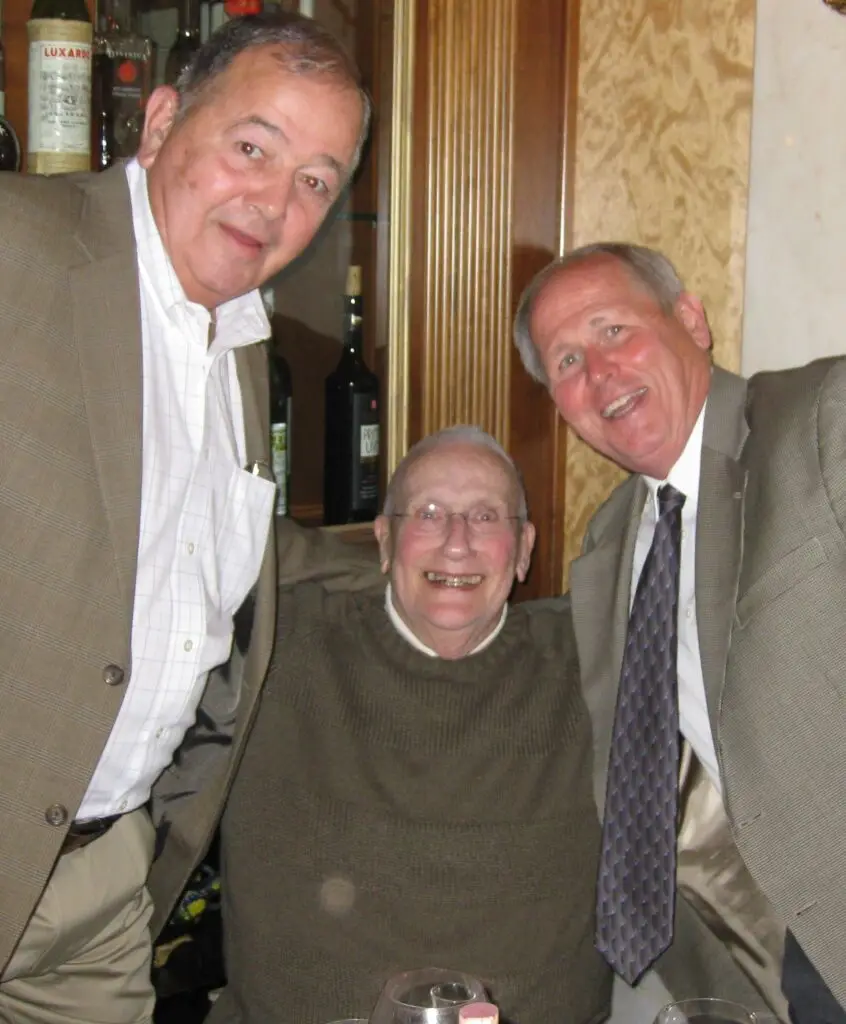
Years after their courtroom days, George Lavin, Clyde Leonard, Edward Gray, and I shared lunch at Lavin’s favorite restaurant — La Famiglia on Front Street in Old City Philadelphia. Owned and operated by the Sena family for more than five decades, it has become a symbol of continuity and tradition for those in Philadelphia’s legal community. Ed Gray, Esquire, a nationally recognized trial attorney, well-respected by all Courts and attorneys on both sides of the aisle for his fairness, demeanor and for his incredible ability. He was a partner of Lavin’s. Clyde Leonard was Mr. Lavin’s Investigator. When Mr. Lavin retired, Clyde joined Ed Gray, Esquire at Eckert Seamans.
That afternoon was not just a meal; it was a moment of reflection on a lifetime of shared values. Between laughter and stories, we talked about the people who make every trial possible — those whose names rarely appear in the record but whose presence defines it.
Silent Advocacy in Practice
Lavin’s lesson is as relevant today as it was in 1960. In an era of digital hearings and Zoom depositions, courtesy still matters. Professionalism never becomes obsolete. The way a lawyer addresses a court reporter, thanks a bailiff, or shows patience with a clerk when technology fails — these moments define credibility as surely as any closing argument.
Within Philadelphia’s court system and its neighboring South Jersey courts, Silent Advocacy remains a living tradition. It reminds every trial lawyer that real persuasion often happens in silence — through demeanor, kindness, and respect.
Closing Reflection
The next time you step into a courtroom, remember George J. Lavin’s words:
“Get to know the court officials, and see if you can get them to like you.”
In those few words lies the secret of lasting professional credibility. Respect is the quiet advocacy that never leaves the record.
FAQ Section
Why is Chapter V of Silent Advocacy important to Philadelphia’s legal community?
It highlights the connection between professionalism, humility, and courtroom culture in Philadelphia practice — values that remain vital today.
Who was George J. Lavin, Jr.?
George J. Lavin, Jr. was one of Philadelphia’s most respected trial attorneys and educators. His book Silent Advocacy taught that respect and courtesy are as persuasive as argument.
What is the main message of Chapter V – “Court Officials”?
Court officials — clerks, court reporters, and staff — are essential to justice, and treating them with dignity strengthens every advocate’s credibility.
Why include La Famiglia in the story?
The lunch at La Famiglia symbolizes Philadelphia’s legacy of connection and mentorship among lawyers — a place where courtroom lessons become life lessons.
Disclaimer
The information contained in this article is provided for educational and informational purposes only and does not constitute legal advice. Reading this post or visiting Philly Legal News does not create an attorney–client relationship. Readers should consult with a qualified attorney for advice regarding any specific legal matter. The views expressed in this article are those of the author and do not necessarily reflect the views of any law firm, organization, or court mentioned.