

“Why Bother?” — A Trial Lawyer’s Purpose, According to George J. Lavin, Jr., Esquire
Answer
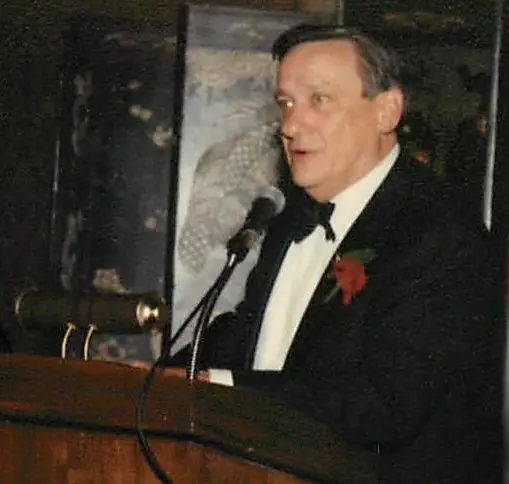
George J. Lavin, Jr., Esquire’s “Why bother?” question is the foundation of Silent Advocacy because it forces the real answer into the open:
Because someone is counting on you.
Trial work is heavy. Many cases never reach a jury. The pressure can be isolating. And yet the duty does not change. The client gets one clean opportunity, and the courtroom rewards the lawyer who shows up calm, credible, and prepared. Lavin’s message is not about performance — it’s about responsibility: know the record, simplify the story, and be ready when it matters.
Key Takeaways
-
Preparation is advocacy. Readiness is not optional — it’s the job.
-
Credibility is built before you speak. Jurors notice control, organization, and command of the facts.
-
Your client gets one shot. Trial is not a rehearsal.
-
Silent Advocacy is visible discipline. Good timing, clean exhibits, and steady pacing signal trust.
-
The message is even stronger today. In an era of shortcuts and distractions, real preparation stands out.
🎙️ INTRO:
We’re proud to launch a new series honoring the wisdom and courtroom insight of George J. Lavin, Jr., Esquire, based on his seminal book:
“Silent Advocacy – A Practical Primer for the Trial Attorney.”
This isn’t just a how-to. It’s a reminder of why great trial lawyers do the work — and why your presence, preparation, and quiet control in the courtroom still matter more than ever.
✨ A Personal Note Before We Begin
Before diving into Lesson 1 of the Silent Advocacy series, I wanted to share a personal reflection.
I had the great privilege of working alongside George J. Lavin, Jr., Esquire for nearly four decades. In that time, he offered countless nuggets of courtroom wisdom — always shared with clarity, humility, and a quiet authority that came from doing the work himself.
When George began writing Silent Advocacy, we spoke about the unique position I’ve held in courtrooms over the years. He looked at me and said,
“Tom, you know you’ve been involved in more trials than most attorneys.”
At first, I didn’t fully understand. But then he explained:
“You sit in court every day. You’re the court reporter in all these cases. That’s normal for you. But most attorneys only try a few cases a year — maybe fewer.”
We started running the numbers. It added up quickly.
Back when I was in the Criminal Division of the Philadelphia Court of Common Pleas, I covered at least one trial a week — sometimes two if they were bench trials. Then there were the long ones, including a six-month homicide trial.
And my years in the United States District Court for the Eastern District of Pennsylvania added an entirely different layer of experience — exposing me to both civil and criminal matters at the federal level, alongside some of the region’s most skilled trial lawyers.
What George recognized — and what I now appreciate more fully — is how much I’ve absorbed from watching great (and not-so-great) advocacy in action, day in and day out. These blog posts are my way of honoring that shared experience and passing on the insights I’ve had the privilege to witness.
If even one trial lawyer walks into court more prepared, more focused, or more confident because of something shared here, then this series has done its job.
🧭 Coming Up in the Silent Advocacy Series
This post is just the beginning. In the coming weeks, we’ll explore the rest of Silent Advocacy – A Practical Primer for the Trial Attorney by George J. Lavin, Jr., Esquire, one chapter at a time. Each lesson focuses on a foundational aspect of courtroom work — from preparing witnesses and reading juries to making your point without ever saying a word.
Future posts will cover topics like:
- Jury selection strategy
- Opening and closing statements
- Direct vs. cross-examination
- Exhibits and visual storytelling
- And of course, the original concept of “Silent Advocacy” — what jurors see, hear, and feel before you even speak
These aren’t just summaries — they’re insights pulled from a career spent observing the courtroom from the front row. I hope you’ll follow along and find something useful for your own work, no matter where you are in your legal career.
📖 LESSON 1 – WHY BOTHER?
There’s something uniquely honest about the opening chapter of Silent Advocacy. Before diving into trial tactics or jury selection, George Lavin stops and asks the question many attorneys avoid:
Why bother?
Why endure the weight of trial preparation? The pressure? The emotional commitment to cases that may never see a jury?
Lavin’s answer is clear and noble:
Because someone is counting on you.
As trial lawyers, we represent more than arguments. We represent people — people whose lives, businesses, or freedom are often on the line. Lavin reminds us that their trust in us is sacred, and that trust must be earned through preparation, clarity, and commitment.
🧠 PREPARATION IS ADVOCACY
Lavin challenges the idea that trial success is about theatrics. Instead, he elevates preparation to a moral responsibility. To be ready is to advocate. To teach a jury the truth of your client’s case — that’s the job.
“There is no excuse for walking into a courtroom unprepared… Someone is depending on you.”
— George J. Lavin, Jr., Esquire
It’s not about looking polished. It’s about being unshakably ready.
🎯 Lavin’s View: Trial Lawyers Have a Duty to Prepare — Not Just Perform
George Lavin believed that trial preparation is the highest form of advocacy. You don’t step into the courtroom for attention — you do it because no one else can present your client’s case with the same preparation, clarity, and credibility.
He rejected the notion that trial work is about charisma or showmanship. Instead, he emphasized a moral responsibility: to master the record, anticipate the opposition’s moves, and clearly teach the case to a jury who enters the courtroom with no knowledge at all. That’s the heart of Silent Advocacy trial preparation — steady, focused, and fully informed.
🔍 MODERN RELEVANCE
Lavin wrote these words in a different legal era — but they’re more relevant now than ever. In a world of rapid-fire filings, Zoom depositions, AI summaries, and shrinking trial calendars, Lavin’s message cuts through the noise:
What you do in the courtroom still matters.
And who you are in that room — calm, credible, prepared — matters even more.
⚖️ WHY WE STILL BOTHER
So why bother?
Because your client doesn’t get a second shot. Because the jury won’t forget the impression you made. Because no technology, no legal brief, no closing argument can replace a trial lawyer who shows up fully prepared — and fully human.
That’s the core of Silent Advocacy. And it’s the legacy George Lavin left for all of us.
💬 Next in this series:
➡️ Should You and Your Client Gamble on a Civil Jury Trial?
(Coming soon to PhillyLegalNews.com)
Follow the series on LinkedIn/Facebook, or subscribe to the newsletter (launching soon).
📣 Stay Connected
📍 Want more trial insight?
Visit PhillyLegalNews.com for weekly blogs, expert commentary, and legal technology updates from the courtroom to the conference room.
FAQs
What does “Why bother?” mean in the Silent Advocacy series?
It’s the core question behind every trial-ready habit. It reframes advocacy as preparation, steadiness, and discipline — the credibility you communicate before you ever speak.
What is Lavin’s answer?
Because someone is counting on you. The client’s stake — liberty, livelihood, reputation, or survival — demands that the lawyer prepare and show up ready.
What does “Silent Advocacy” actually look like in court?
It looks like organization and calm control: knowing the record, handling exhibits cleanly, anticipating friction points, pacing your presentation, and never appearing surprised by your own case.
Why is this more relevant now than ever?
Because modern practice encourages shortcuts: faster dockets, remote hearings, constant distraction, and easy summaries. The lawyer who truly knows the case and prepares with discipline becomes unmistakable.
What’s the biggest preparation mistake lawyers make?
Confusing performance with readiness. Jurors forgive style. They rarely forgive confusion, disorganization, or overreach.
What should readers look for next in the series?
Future Silent Advocacy lessons focus on juror decision-making, openings and closings, witness examinations, and exhibits/visual storytelling — all built around the same theme: credibility is constructed before the first question is asked.
📰 Follow us on LinkedIn and Facebook to get notified when new articles in the Silent Advocacy series are published.
📬 Or subscribe to our upcoming newsletter — launching soon!