

Silent Advocacy in a Modern Civil Jury Trial
Silent advocacy in the courtroom is the nonverbal persuasion created by your appearance, demeanor, preparation, and helpfulness. It shapes whether judges and jurors trust you long before you say a word. In many close cases, that quiet trust can decide who wins.
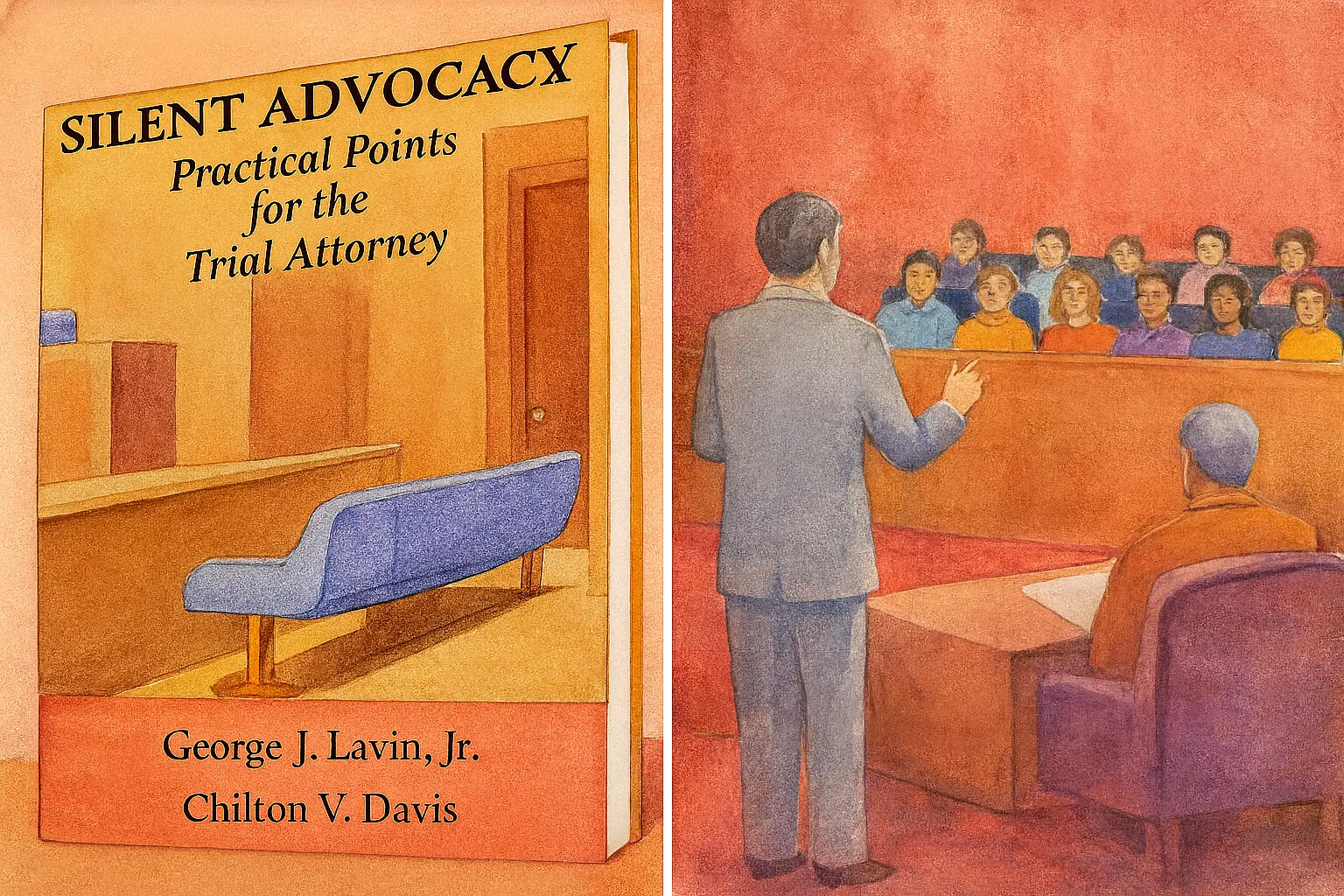
That is the core lesson of Silent Advocacy – A Practical Primer for the Trial Attorney, co-authored by George J. Lavin, Jr., Esquire, of Lavin, O’Neil, Ricci, Finarelli & Gray (Pennsylvania Bar), and Chilton Davis Varner, Esquire, of King & Spalding (Georgia Bar). Their book, originally developed through the American College of Trial Lawyers, has become a quiet classic on how trial lawyers communicate when they are not talking.
This article is part of an ongoing PhillyLegalNews series based on that book, taken one chapter at a time and filtered through what I have seen from the front row of the courtroom for more than 45 years—as a court reporter, trial technologist, lecturer, and adjunct professor in Temple University Law School’s LL.M. in Trial Advocacy program.
I am not an attorney. My vantage point has been the court reporter’s chair and the trial technologist’s station—only a few feet from counsel table, the jury box, and the witness stand. From there, I have seen and reported hundreds of bench trials and jury trials in Pennsylvania and beyond, watching what judges and juries actually respond to, and what quietly turns them away.
In this chapter, we focus on the original, central concept: Silent Advocacy itself, and what Lavin and Varner call the “Battle of the Attorneys.”
Chapter VI – Key Takeaways
- Silent Advocacy is built on credibility before persuasion. Long before opening statements or closing arguments, jurors begin evaluating a lawyer’s professionalism, preparation, demeanor, and respect for the courtroom process.
- The “Battle of the Attorneys” often shapes how jurors view the evidence. Throughout a trial, jurors silently compare the lawyers, deciding who appears more trustworthy, organized, and committed to helping them reach the right decision.
- Ethos is the foundation of effective trial advocacy. While logic (logos) and emotion (pathos) are essential, George J. Lavin, Jr., Esquire, and Chilton Davis Varner emphasize that credibility and character often determine whether jurors accept an attorney’s message.
- Every visible moment in the courtroom communicates something. How lawyers interact with judges, court staff, witnesses, opposing counsel, and even their own trial team contributes to the lasting impression they leave on jurors.
- Silent Advocacy is a discipline practiced throughout every stage of trial. Preparation, professionalism, composure, and respect are not isolated techniques—they are habits that influence credibility from voir dire through the verdict.
What Silent Advocacy Really Means in the Courtroom
Silent advocacy is not a slogan or a trick. It is a discipline.
Lavin and Varner describe it as the ongoing impression you make through:
- Appearance – how you present yourself and your client,
- Demeanor – how you move, react, and carry yourself,
- Preparation – how ready you are for the expected and the unexpected,
- Helpfulness – how much you seem to be helping the judge, staff, and jury do their jobs.
Every time you walk into the courtroom, you can ask yourself: “If a juror knew nothing about the law, but watched only how I behave, what would they conclude about my honesty, competence, and respect for the process?” That answer is your Silent Advocacy scorecard.
The “Battle of the Attorneys” – What Jurors Are Really Watching
Every civil jury trial has obvious moving parts—injuries, causation disputes, experts, exhibits, discovery fights. Lavin and Varner add another category to the list that is easy to overlook: “The Attorneys.”
From the first moment jurors see you—often in the hallway, the elevator, or the gallery before voir dire—they begin asking silent questions:
- Do we trust this lawyer and their team?
- Do they look prepared and in control?
- Do they respect us, the witnesses, and the court staff?
- Are they here to teach us the truth, or just to perform?
- Are they honestly trying to see that justice is done?
The answers are rarely in your opening statement. They are in the quiet things:
- Whether you snap at the clerk or treat them as a professional,
- Whether you roll your eyes at a ruling or keep your composure,
- Whether you listen attentively when opposing counsel speaks,
- Whether your trial team looks like one organized, unified group.
A famous line describes a jury as “twelve persons chosen to decide who has the better lawyer.” It is half joke, half hard truth. Once jurors decide which lawyer they trust more, the entire trial feels different. Testimony that fits the trusted lawyer’s story lands more easily. Credibility disputes lean their way. Close calls break in favor of the advocate who has quietly earned belief.
Silent Advocacy is the way you make sure you never lose that Battle of the Attorneys—and, at worst, fight it to a draw.
Logos, Ethos, Pathos – Why Character Quietly Controls Persuasion
Lavin and Varner root Silent Advocacy in classical rhetoric. They point back to the familiar trio:
- Logos – the logic and structure of your argument,
- Ethos – the character and credibility you project,
- Pathos – the emotions you awaken in your audience.
Most trial lawyers spend enormous effort on logos: case themes, liability theories, damage models, outlines. Many also think carefully about pathos: how to tell the story of the crash, the surgery, the business dispute, in a way that is honest but human.
But Aristotle taught—and Lavin and Varner emphasize—that ethos may be the most important of the three. If the jury does not trust you, your logic will feel strained and your emotional appeals will feel manipulative. Once they believe you are:
- Truthful,
- Thoroughly prepared, and
- Genuinely respectful of their task,
they are far more open to hearing your logos and pathos.
Silent Advocacy is ethos in action. It is the day-long, week-long accumulation of choices that communicate honesty, preparation, and respect.
Practicing Silent Advocacy Every Minute You’re on Stage
In a real trial, there is almost no such thing as “off the record” in the eyes of the jury. If someone can see you, you are advocating.
In smaller courthouses, this extends beyond the courtroom—down the hall, at lunch, even on the sidewalk outside. In Philadelphia, where legal circles are close-knit, someone is always watching how you treat others.
Appearance and Demeanor
You do not control your height or your accent. You do control how you present yourself:
- Dress as if the process matters and your client’s case matters.
- Move with calm purpose. Avoid fidgeting, theatrics, and visible exasperation.
- Let your face show that you are listening—especially when someone else is speaking.
A lawyer who looks and acts like a professional sends a simple, powerful message: “You can rely on me. I take this seriously.”
Preparation and Helpfulness
Lavin’s earliest chapters hammer the idea that preparation is advocacy. Silent Advocacy extends that point: preparedness is also a moral statement about how seriously you take the people depending on you.
Jurors can tell when a lawyer is scrambling. They also notice when:
- Exhibits are organized and flow in a natural sequence,
- Witnesses are prepared and not blindsided by obvious questions,
- Complex evidence is broken into clear timelines, charts, or demonstratives,
- You help the court staff keep things moving instead of creating unnecessary drama.
“Helping the process work” may not look glamorous, but judges and jurors recognize it. Quietly, your credibility rises.
Your Trial Team as One Character
Jurors do not parse the difference between lead counsel, co-counsel, and paralegal. To them, you are one trial team, and the team has a single character.
That means:
- Everyone at counsel table must appear prepared and engaged,
- No one rolls their eyes, whispers sarcasm, or slumps in frustration,
- Everyone treats court staff and opposing counsel with the same courtesy.
Silent Advocacy fails if one team member undercuts the ethos the rest are building.
Staying in Control When Things Go Wrong
The true test of Silent Advocacy is not when everything goes according to outline. It is when:
- A key exhibit is excluded,
- A witness offers an unexpected answer,
- Opposing counsel lands a sharp point,
- The judge rules against you in front of the panel.
At that moment, the jury is learning more about you than about the evidence. If you:
- Visibly lose your temper,
- Blame everyone else in the room, or
- Display “performative outrage,”
you may win a short-term emotional release and lose long-term credibility.
The Silent Advocate makes the record needed for appeal, calmly, and then moves on. The message to jurors is simple: “I am still in control of myself—and I believe in the strength of this case.”
Once jurors see that, they are more willing to trust you with their verdict.
A Personal Note on Lineage and Legacy
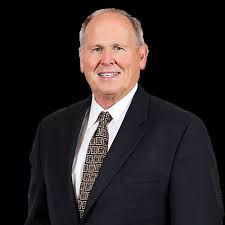
This series is deeply personal to me.
For more than 45 years, I have worked in Philadelphia’s Court of Common Pleas and the United States District Court for the Eastern District of Pennsylvania and courtrooms around the country as a court reporter. From the court reporter’s vantage point, I have watched Silent Advocacy in action—sometimes in brilliant form, sometimes in ways that quietly damaged a case.
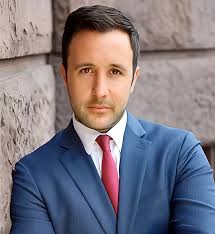
The clearest written explanation of these ideas I have seen is Silent Advocacy – A Practical Primer for the Trial Attorney, co-authored by:
- George J. Lavin, Jr., Esquire, of Lavin, O’Neil, Ricci, Finarelli & Gray (Pennsylvania Bar), and
- Chilton Davis Varner, Esquire, of King & Spalding (Georgia Bar).
Mr. Lavin’s law partner, Edward A. Gray, Esquire, played a special role in my own family’s connection to this work. He was the first employer—and a key mentor—of my son, Thomas G. Oakes II, Esquire, who worked and interned under Mr. Gray while in law school.
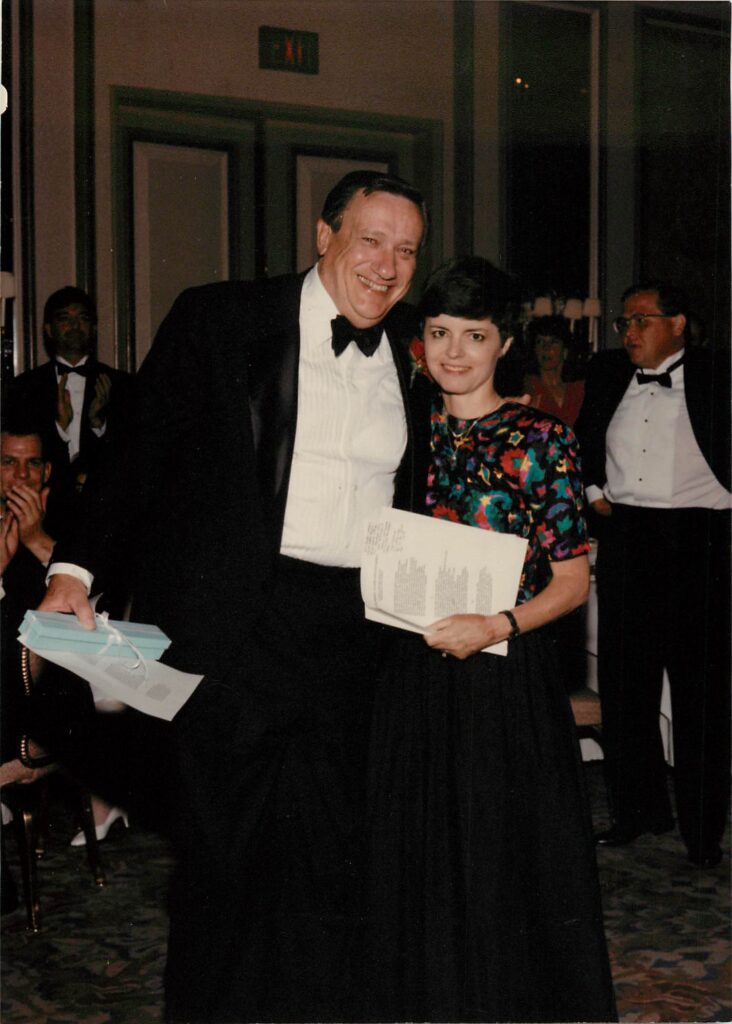
The same approach to preparation, demeanor, and quiet persuasion that Lavin and Varner describe in Silent Advocacy is the discipline my son now carries into his own trial practice in Philadelphia, including his work at The Oakes Firm, a personal-injury firm dedicated to representing injured clients and their families.
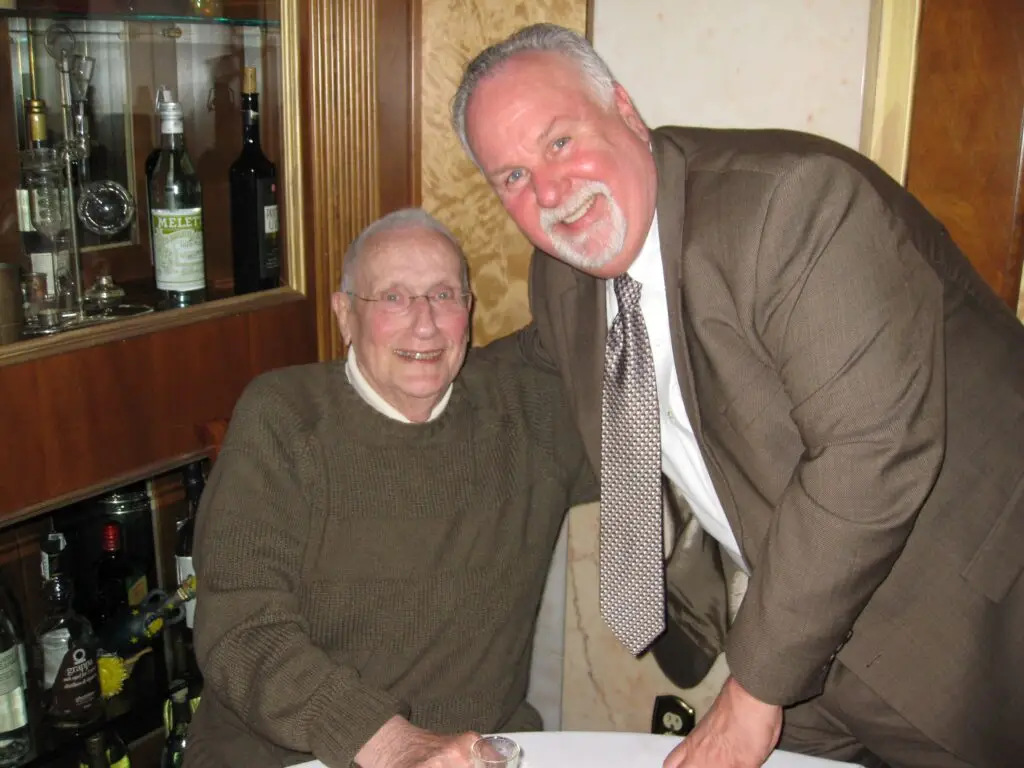
I share that not as an advertisement, but as part of the lineage of these ideas. Silent Advocacy is not abstract theory for us; it is a lived method passed from mentor to student, and from one generation of trial advocates to the next.
Editor’s Note
One of my favorite memories involving George J. Lavin, Jr., Esquire took place years before Silent Advocacy – A Practical Primer for the Trial Attorney was published.
I had just finished reporting a deposition at the former Lavin, Coleman, Finarelli & Gray offices and was packing my equipment to leave. Mr. Lavin entered the conference room with attorney from Dykema Gossett. As I prepared to walk out, George stopped me and said, “Tom, stay for a few minutes.”
Several attorneys from the firm gathered around the conference table as George began discussing a book he was preparing to write—a book that would eventually become Silent Advocacy. He explained that he was collecting ideas and observations from people who had spent their careers inside courtrooms.
Then he looked at me and asked a question I have never forgotten:
“Tom, you’ve probably sat through more bench and jury trials than most attorneys. What’s one thing that trial lawyers who you respect do for court reporters in your courthouse before trial that really makes a difference?”
Until that moment, I had never really thought about my experience from that perspective. My answer came quickly.
The best trial lawyers—especially those requesting daily copy, split delivery (am/pm) or expedited trial transcripts—didn’t wait until the morning of trial. A week or more beforehand, they would provide our court reporting staff with a glossary of technical terminology, medical and scientific vocabulary, engineering terms, witness lists, unusual names, and other case-specific spellings we were likely to encounter.
Those materials allowed us to prepare in advance, produce more accurate transcripts, and deliver daily copy efficiently throughout the trial. It was a small act of professionalism, but one that demonstrated respect for everyone involved in the judicial process.
Looking back, I now realize that my answer reflected exactly what George Lavin would later teach throughout Silent Advocacy. Preparation is not simply about winning a case. It is about helping the court, respecting the professionals around you, and quietly building credibility before a single witness is sworn. That conversation has stayed with me ever since.
A Practical Silent Advocacy Checklist for Trial Lawyers
Before your next civil jury trial, take five minutes with this checklist:
Character and Intent
- Have I defined the character I want to project—honest, prepared, calm, helpful?
- Do my clothes, posture, and tone support that character?
In Front of the Jury
- When jurors enter, do they see me ready or scrambling?
- Do I listen to witnesses and opposing counsel the way I want the jury to listen to me?
With the Court and Staff
- Do I treat the judge, clerks, and court officers with visible respect?
- Do I help the process run smoothly instead of creating friction?
With My Team
- Does everyone at counsel table understand they are part of a single “character”?
- Have I set expectations about body language, reactions, and professionalism?
When Things Go Wrong
- Do I have a mental script for bad rulings and surprise testimony?
- Am I prepared to protect the record without losing control of myself?
If you can honestly answer “yes” to most of these, your Silent Advocacy is already helping you in ways that no transcript will ever show.
Why Silent Advocacy Still Matters in Personal Injury Trials
In serious injury and wrongful death cases, jurors in Philadelphia and the surrounding counties are asked to make difficult decisions about liability, causation, and life-changing damages. They bring their own life experiences, their own views of “trial lawyers,” and their own skepticism.
Silent Advocacy is how you meet that skepticism with character instead of theatrics.
When jurors see a lawyer—and a trial team—who are:
- Prepared without being arrogant,
- Respectful without being timid,
- Human without being manipulative,
they are far more likely to give that lawyer’s client a fair hearing.
If you are a trial lawyer, treat Silent Advocacy as a discipline to practice, not a label to claim. If you are a potential client, pay attention to these traits when you interview counsel. Ask yourself: “Is this someone a jury will trust?”
Continue Exploring the Silent Advocacy Library
This article is part of the Silent Advocacy Library at Philly Legal News—an educational series exploring the timeless trial advocacy principles developed by George J. Lavin, Jr., Esquire, together with commentary and practical observations from Thomas G. Oakes based on decades of experience as a court reporter, courtroom technologist, educator, and litigation consultant.
Start here:
Silent Advocacy Library (Hub Page)
This cornerstone page provides the complete introduction to the series and
links to every Silent Advocacy article.
Explore the Silent Advocacy Library
Foundations
- Why Silent Advocacy? Why Bother?
- The Lavin Method – Trial Preparation
- The Lavin Method: Silent Advocacy as Legacy and Trial Strategy
Working with the Court
Preparing the Case
- The Ultimate Pre-Trial Checklist for Trial Lawyers
- Silent Advocacy Series: Lesson 2 – Should You Take a Civil Case to Trial?
- Taking the Expert’s Deposition
Inside the Courtroom
- Silent Advocacy in Action: The Battle of the Attorneys
- Silent Advocacy – Chapter VI
- Silent Advocacy – Chapter XI: Direct Examination
Additional Trial Advocacy Resources
- Trial & Deposition Technologies Resource Center
- Legal Education, Trial Technology & Professional Archive
The Silent Advocacy Library continues to grow. Future chapters will explore witness preparation, cross-examination, courtroom technology, jury persuasion, trial professionalism, and the enduring lessons of George J. Lavin, Jr., Esquire, together with practical observations from Thomas G. Oakes’ decades inside courtrooms throughout Philadelphia and beyond.
Frequently Asked Questions
What is Silent Advocacy in a civil jury trial?
Silent Advocacy is the nonverbal persuasion created by a lawyer’s professionalism, preparation, demeanor, appearance, and helpfulness. Long before jurors deliberate, they begin forming opinions about whether an attorney is trustworthy, prepared, and respectful of the judicial process.
Who developed the concept of Silent Advocacy?
The principles discussed in this article were articulated by George J. Lavin, Jr., Esquire, and Chilton Davis Varner, Esquire, in Silent Advocacy – A Practical Primer for the Trial Attorney. Their work emphasizes that credibility and professionalism often persuade more effectively than courtroom theatrics.
What is the “Battle of the Attorneys”?
The “Battle of the Attorneys” refers to the silent competition for credibility that occurs throughout a trial. Jurors constantly observe how lawyers conduct themselves, treat witnesses and court personnel, respond to rulings, and present their cases. Those observations often influence how jurors evaluate the evidence.
Why is professionalism important during a jury trial?
Jurors evaluate more than legal arguments. They notice whether lawyers are organized, respectful, calm under pressure, and genuinely interested in helping them understand the case. Professionalism strengthens credibility and reinforces an attorney’s overall persuasive effectiveness.
Does Silent Advocacy apply only inside the courtroom?
No. Silent Advocacy begins before court is called to order and continues throughout the trial. Jurors may observe attorneys in hallways, elevators, during breaks, and while interacting with court staff. Every visible interaction contributes to the overall impression an attorney makes.
How can trial lawyers improve their Silent Advocacy?
Lawyers can strengthen their Silent Advocacy by preparing thoroughly, remaining composed under pressure, treating everyone in the courtroom with respect, presenting evidence clearly, listening carefully to witnesses, and demonstrating authenticity rather than relying on theatrics.
Why does this article emphasize ethos, logos, and pathos?
These classical principles of persuasion, first described by Aristotle, remain central to modern trial advocacy. While logic (logos) and emotional appeal (pathos) are important, credibility and character (ethos) often determine whether jurors are willing to believe an attorney’s presentation of the evidence.
Is this article based on firsthand courtroom experience?
Yes. The observations throughout this article are based on Thomas G. Oakes’ more than 45 years of experience as an official court reporter, trial technologist, educator, and litigation consultant, working in hundreds of jury and bench trials in Pennsylvania and federal courts. The article also discusses the teachings of George J. Lavin, Jr., Esquire, and Chilton Davis Varner, Esquire, as presented in Silent Advocacy – A Practical Primer for the Trial Attorney.
About the Author — Thomas G. Oakes
Thomas G. Oakes is a 45+ year legal professional in Philadelphia and the founder/editor of PhillyLegalNews.com and PhillyLegalConnect.com. He served for many years as an official court reporter in the Philadelphia Court of Common Pleas and the U.S. District Court for the Eastern District of Pennsylvania, and has worked as a freelance court reporter in state and federal courts for decades.
He holds the highest national court reporter certifications through rigorous testing, including credentials from the National Court Reporters Association and multiple state associations, including Pennsylvania, New Jersey, Delaware, and Maryland. Tom was also the principal of Thomas G. Oakes Associates, a Philadelphia-based litigation support and trial technology firm serving attorneys nationwide for more than 33 years.
In addition to courtroom work, Tom is a nationally recognized leader in trial technology and a Certified TrialDirector Trainer. He has trained lawyers, judges, law clerks, paralegals, and trial teams in courtroom presentation and technology, and taught in Temple University’s LL.M. in Trial Advocacy program (with special recognition).
He has lectured at bar associations throughout Pennsylvania and nationally for organizations including the Federation of Defense and Corporate Counsel (FDCC), the International Association of Defense Counsel (IADC), and the American Bar Association (ABA). He is also a co-founder of the FDCC Evolve program and an instructor in the FDCC Deposition Boot Camp.
Award: Temple University LL.M. in Trial Advocacy — 2013 Faculty Award for “Art of Technology in the Courtroom.”
Disclaimer
This article is for general informational and educational purposes only and does not constitute legal advice. Reading this content does not create an attorney–client relationship. If you need legal advice about a specific situation, consult a qualified attorney in the appropriate jurisdiction.
About Philadelphia Legal News
Philadelphia Legal News is an educational publication dedicated to trial advocacy, legal technology, courtroom practice, and the history of the legal profession. Drawing on more than four decades of firsthand courtroom experience, Thomas G. Oakes shares practical insights, historical perspective, and commentary designed to benefit lawyers, judges, legal professionals, law students, and anyone interested in the evolution of the legal profession.