

Answer Block
What is an interactive deposition — and why are Philadelphia personal injury attorneys using them more often?
An interactive deposition is a video deposition designed to be trial-ready from day one: synced video + transcript, real-time digital exhibits, and witness markups captured as part of the record. Instead of “static” testimony, the jury can later see and hear credibility, track exactly what the witness reviewed, and follow complex medical or technical evidence more clearly. The result is cleaner proof, faster trial prep, and stronger settlement leverage in high-stakes cases.
Key Takeaways
- Interactive depositions combine video + synced transcripts + digital exhibits + witness annotation to create a trial-ready record.
- They capture credibility markers a paper transcript can’t: tone, pacing, hesitation, confidence, and demeanor.
- Real-time exhibit display and markups reduce “what did they mean?” disputes and help lock down testimony.
- The format accelerates trial prep by producing clips and exhibit pairings that import into TrialPad/TrialDirector-style workflows.
- In complex injury cases, interactive testimony often improves juror understanding and increases negotiating leverage.
Introduction
The practice of law is changing at a rapid pace, and nowhere is that more evident than in the way depositions are conducted. Once limited to a court reporter’s transcript and perhaps a simple video recording, depositions today are evolving into interactive, multimedia experiences that enhance clarity, credibility, and persuasiveness.
For Philadelphia personal injury attorneys, who regularly handle high-stakes cases involving catastrophic injuries and complex liability disputes, interactive depositions are becoming essential tools of advocacy. They allow jurors, judges, and clients to see testimony come alive through synchronized video, real-time exhibit display, and annotated visuals.
A Brief History of Deposition Technology
For decades, depositions were static: lawyers asked questions, witnesses answered, and a stenographer typed every word. In the 1980s and 1990s, videotaped depositions began to gain acceptance due to the need of having doctors testify, but their schedules made it very difficulty for them to be able to attend a trial. The use of video gave jurors the ability to see their demeanor and body language. By the early 2000s, trial technology software such as TrialDirector introduced synchronized transcripts and video clips, allowing for precise playback at trial.
Now, the new generation of interactive depositions combines:
- High-definition video captured by professional videographers
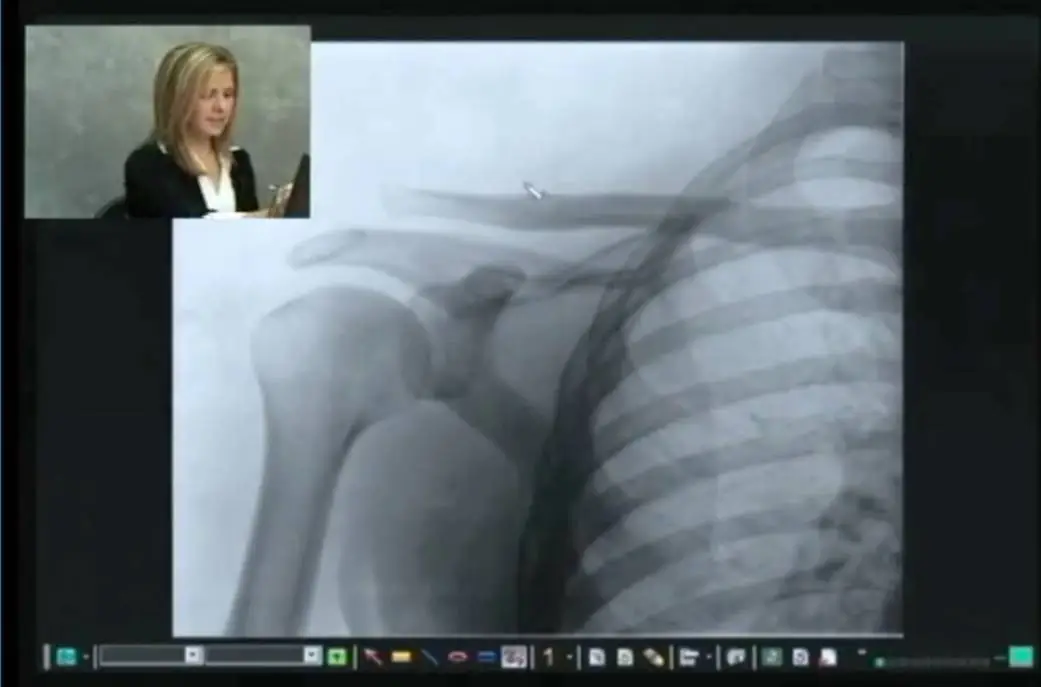
- Smartboards and annotation monitors allowing witnesses and attorneys to highlight key points
- Video switchers and mixers for seamless transitions between camera angles and exhibits; splitting screens
- Integrated trial technology software like TrialPad, OnCue, or TrialDirector
- Cloud exhibit platforms that manage digital photos, documents, medical records, and video clips
This evolution has shifted depositions from record-making events into trial-ready presentations from day one.
The Interactive Deposition Setup
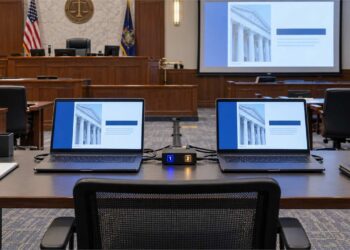
Photos from my firm’s old Philadelphia conference room (above) illustrate what a true interactive deposition setup looks like:
- 🎥 Videographer station with HD camera, tripod, and professional audio feed
- 🎚️ Video switcher to toggle between witness, attorney, and shared exhibit screens
- 💻 Laptop and software suite for syncing transcripts, controlling playback, and marking exhibits
- 🖥️ Smartboards and annotation tablets allowing witnesses to circle, highlight, or draw directly on documents and medical images
- 📺 Multiple monitors so all participants — counsel, court reporter, witness — can see the same material in real time
This design ensures that testimony isn’t just recorded — it is captured, contextualized, and trial-ready.
Why Interactive Depositions Matter
- Credibility in Action
Jurors don’t just read what was said — they see and hear it. Interactive depositions capture tone, hesitation, confidence, and body language that often define credibility. - Efficient Trial Preparation
Interactive depositions create synced clips and annotated exhibits that can be instantly imported into trial presentation software. No scrambling for files the night before trial. - Persuasion and Engagement
Jurors today are used to screens, graphics, and multimedia. Presenting testimony interactively makes it easier for them to follow complex medical, technical, or financial evidence. - Cost Savings in the Long Run
While the setup requires investment, interactive depositions often shorten trial time, reduce disputes over what was said, and increase settlement leverage.
Philadelphia at the Forefront
Philadelphia is home to some of the most forward-thinking litigators when it comes to deposition technology. Personal injury attorneys in Philadelphia are leading the way by integrating these tools into catastrophic injury cases, trucking litigation, medical malpractice matters, and complex products liability trials.
Firms across the city — large and boutique alike — recognize that interactive depositions are no longer “nice to have.” They are a strategic necessity for effective advocacy.
Lessons from Speaking and Teaching
Over the years, I’ve been fortunate to share these methods with lawyers across the country:
- FDCC (Federation of Defense & Corporate Counsel) seminars, including FedTech programs on litigation technology
- IADC (International Association of Defense Counsel) Trial Academy and seminars
- The Legal Intelligencer’s Litigation Summit in Philadelphia, where we spoke to trial lawyers on courtroom presentation techniques
- Temple University’s LL.M. in Trial Advocacy program, where I taught students how to integrate TrialPad, TrialDirector, and interactive deposition methods into practice
The message is consistent: attorneys who master interactive depositions improve their ability to persuade jurors, negotiate settlements, and streamline trials.
The Future of Depositions
Interactive depositions are not going away — they are becoming the standard. As courts embrace remote and hybrid proceedings, the ability to seamlessly integrate digital exhibits, video feeds, and synced transcripts will only grow more critical.
Philadelphia personal injury attorneys who adopt these methods today will be better positioned tomorrow, both in the courtroom and at the negotiation table.
📦 Resources on Trial Technology & Depositions
- Interactive Depositions: The Future of Testimony – PhillyLegalNews
- Philadelphia Personal Injury Litigation Trends – PhillyLegalNews
- Legal Tech in Pennsylvania Courtrooms – PhillyLegalNews
- ABA TechReport on Litigation Technology
- FDCC FedTech Seminar Materials
📝 Editor’s Note
I’ve had the privilege of teaching interactive deposition techniques at FDCC, IADC, and The Legal Intelligencer Litigation Summit, as well as Temple University’s Trial Advocacy LL.M. program. The experiences have shown me that when attorneys lean into technology, they don’t just modernize their practice — they make themselves more effective advocates.
When I first began introducing interactive depositions, it was an outgrowth of the trial presentation support I was already providing with TrialDirector. In our work supporting Philadelphia’s legal community, it became clear that bringing trial technology into the deposition room could transform the process.
By displaying documents digitally to the witness, we could make the exchange more efficient and more precise. But to truly capture the witness’s response, video recording became essential. The next step was adding a smartboard so that witnesses weren’t just viewing the exhibit but actively interacting with it — highlighting, annotating, or marking directly on the document in real time.
The real breakthrough came with the addition of a video switcher. This allowed us not only to present digital exhibits but also to capture and display the witness’s live interactions simultaneously. Instead of waiting for post-production editing to create split screens or overlays, attorneys could now see — in real time — how the testimony and the evidence connected. That immediacy changed the way attorneys, judges, and jurors experienced depositions and laid the groundwork for what we now call interactive depositions.
This article is part of the Philly Legal News Trial & Deposition Technologies Hub, an educational archive focused on courtroom presentation systems, interactive depositions, synchronized video testimony, multimedia litigation workflows, and the evolving role of technology in modern trial practice.
Frequently Asked Questions
What is an interactive deposition?
An interactive deposition is a video deposition designed to be trial-ready: the testimony is captured on video and commonly synced to the transcript, while exhibits are displayed digitally and can be marked up in real time. The goal is a clear, organized record that can be reviewed, clipped, and presented later with less friction.
How is an interactive deposition different from a traditional deposition?
Traditional depositions often rely on a paper transcript and static exhibit handling. Interactive depositions add high-quality video, digital exhibit presentation, and sometimes real-time annotation so the record is easier to follow and more usable for settlement evaluation, motion practice, mediation, and trial.
Why does video matter if there’s already a transcript?
A transcript captures the words, but video captures tone, pacing, pauses, facial expressions, confidence, and hesitation—all of which can matter when credibility is at issue. For jurors (and insurers evaluating risk), seeing and hearing testimony often communicates meaning that the page can’t.
What equipment is typically used in an interactive deposition?
It varies, but commonly includes professional video capture (camera, lighting, audio), a method for digital exhibit presentation (monitor/TV or presentation system), and tools that allow syncing video to text and organizing exhibits. Some setups also capture live markups or callouts so the exhibit record is cleaner.
Can interactive deposition testimony be used in court?
Often, yes—video deposition testimony is frequently used at trial under applicable rules, but the details depend on the jurisdiction, the type of witness, and procedural requirements. Lawyers typically plan ahead so the recording and exhibit handling meet the standards needed for courtroom use.
Do interactive depositions help settlement negotiations in personal injury cases?
They can. A well-organized, credible video record can make complex issues easier to understand and can help decision-makers evaluate risk more realistically. In cases involving disputed liability, causation, or damages, clearer testimony and exhibits may strengthen negotiation leverage.
Conclusion
Interactive depositions represent the future of litigation practice in Philadelphia and beyond. By combining video, synced transcripts, smart exhibits, and trial-ready technology, attorneys create persuasive records that resonate with jurors and judges. For Philadelphia personal injury attorneys, embracing interactive depositions is no longer optional — it is part of delivering the best possible advocacy for clients.
For a plain-English overview of injury cases in Philadelphia, visit PhillyLegalConnect.com .
If you need legal help after any injury, you can also review The Oakes Firm’s practice areas .
About the Author — Thomas G. Oakes
Thomas G. Oakes is a 45+ year legal professional in Philadelphia and the founder/editor of PhillyLegalNews.com and PhillyLegalConnect.com. He served for many years as an official court reporter in the Philadelphia Court of Common Pleas and the U.S. District Court for the Eastern District of Pennsylvania, and has worked as a freelance court reporter in state and federal courts for decades.
In addition to courtroom work, Tom is a nationally recognized leader in trial technology. He has trained lawyers, judges, and law students in TrialDirector and courtroom presentation, taught in Temple University’s LL.M. in Trial Advocacy technology curriculum (with special recognition), and has lectured nationally and internationally for organizations including the FDCC and IADC. He also founded the FDCC “FedTech U” program and has instructed in the FDCC Deposition Boot Camp.
Award: Temple University LL.M. in Trial Advocacy — 2013 Faculty Award for “Art of Technology in the Courtroom.”
Tom, prior to his retirement, was the principal of Thomas G. Oakes Associates, a Philadelphia-based litigation-support and trial-technology firm serving attorneys nationwide for more than 33 years.
Disclaimer
This article is for general informational and educational purposes only and does not constitute legal advice. Reading this content does not create an attorney–client relationship. If you need legal advice about a specific situation, consult a qualified attorney in the appropriate jurisdiction.