

Introduction
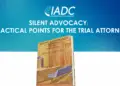
Courtroom victories are rarely the result of a single dramatic cross-examination or a fiery closing argument. Instead, they come from disciplined preparation long before trial begins. Nearly twenty years ago, George J. Lavin, Jr. published Silent Advocacy (2006), a book that distilled decades of courtroom experience into practical lessons for litigators.
One of the most enduring parts of the book is Chapter 3, Lesson 4: Your Pre-Trial Checklist, a 35-point roadmap designed to guide attorneys through every aspect of trial preparation. With the 20th anniversary of Silent Advocacy approaching, these lessons remain just as vital for today’s lawyers as when they were first written.
Because this checklist is so comprehensive, we’ve prepared a full digest of all 35 points here. In the coming weeks, we’ll also publish deep-dive follow-up blogs that expand on each major area — from witness preparation to courtroom technology.
Case Foundations: Building the Core of Your Case
Every trial begins with a foundation. Without it, even the most skilled advocate can stumble. Lavin emphasized the importance of documenting a case’s history and structure before stepping foot in the courtroom.
- Procedural History – Understand the case’s journey through pleadings, motions, and rulings.
- Product or Subject History – Whether it’s a product liability case or a negligence claim, know the complete background.
- Description of Relevant Events – Lay out what happened with precision and clarity.
- Chronologies and Timelines – Lavin insisted on timelines to keep events organized. Editor’s Note opportunity: In my own work with Mr. Lavin, he often said his FBI background made him rely on timelines — and I found that discipline invaluable.
- Subpoenas and Subpoenas Duces Tecum – Secure fact witnesses, expert witnesses, and custodians of records well before trial.
These steps may feel basic, but they form the architecture of your case. As Lavin often said, “if it isn’t in the record, it isn’t in the trial.”
Witness Preparation: Organizing the People Who Tell the Story
Witnesses bring the case to life, but they can also cause chaos if not managed properly. Lavin’s checklist devotes significant attention to witness preparation.
- Depositions – Review thoroughly; never rely on summaries alone.
- Peer Case Evaluation – Present informally to colleagues or mock juries to test your case. This is where jury consultants, such as American Jury Centers led by Stuart Simon, can provide critical insight. Mock juries often reveal prejudices or misconceptions you may not anticipate.
- Court Rules and Procedures – Learn them early to avoid surprises.
- Demonstrations and Tests – Attend personally so you understand every detail.
- Organize Expert Witness Files – Summaries, prior testimony, certifications.
- Organize Opposing Expert Files – Prepare cross-examination strategies.
- Visit the Scene – See it with your own eyes, whether it’s an accident site or industrial facility.
- Witness Directory – Maintain updated contact and scheduling information.
- Accommodations for Out-of-Area Witnesses – Travel, lodging, logistics.
Preparedness here prevents last-minute crises. A well-run witness directory and pre-trial evaluation process saves hours of courtroom scrambling.
Exhibits & Demonstrations: Making the Case Visible
Jurors and judges absorb information more effectively when they can see it. Lavin stressed that trial exhibits must be carefully planned and organized.
- Conceive and Create Exhibits – Photos, diagrams, enlargements.
- Organize and Label Exhibits – Medical records, pleadings, interrogatories, scientific literature.
- Videotape Preparation – Keep trial videos short; long ones risk judicial pushback.
- Client Discussions – Final evaluations, summaries of strengths and weaknesses.
- Trial Conference Room – Establish a base of operations (“war room”). Editor’s Note opportunity: Many trials I worked on with Mr. Lavin included war rooms, where strategy and documents were constantly updated.
- Stationery and Supplies – Pens, labels, exhibit stickers.
- Transport of Witnesses/Exhibits – Don’t leave logistics to chance.
- Dinner Arrangements – Small details matter for team endurance.
- Projection Equipment – Know what the court permits.
- Easels, Pads, Markers – Low-tech tools are still effective.
- Wax Pencils – Mark photographs cleanly.
- Artist’s Paper – For on-the-spot exhibits during testimony.
Visual advocacy is a silent but powerful ally. The more clearly evidence is displayed, the more compelling your case becomes.
Logistics & Support: Keeping the Machine Running
Trials often last weeks. Managing people, paper, and technology is as important as knowing the law.
- Trial Bags and Boxes – Always bring backups.
- Overnight Administrative Assistance – Anticipate late nights.
- Legal Research Facilities – Quick access can make or break an argument.
- Daily Trial Copy – If affordable, obtain daily transcripts.
- Storage of Exhibits – Know courthouse rules for where exhibits can be left.
These steps may sound mundane, but trials collapse without logistics. As Lavin wrote, a missing exhibit or late transcript can derail weeks of preparation.
Courtroom Strategy: Bringing It All Together
Finally, Lavin emphasized the strategic documents and motions that shape the trial itself.
- Trial Briefs – Concise, persuasive summaries of your case and issues.
- Final Evaluation – Outline expected burdens of proof.
- Motions in Limine – File early and preserve appellate rights.
- Pre-Trial Order – The most important document; it often supersedes all others.
Technology is a final tool. In 2006, Lavin referred to diskette/CD copies of transcripts and live feeds from court reporters. Today, cloud-based systems make these tools even more accessible — but the principle remains: always have a backup in case technology fails.
Additional Resources on Trial Preparation
For readers who want to explore trial preparation in greater depth, here are additional resources:
- Silent Advocacy – Lesson 3: Part 3
- Silent Advocacy – Lesson 2:
- Silent Advocacy – Lesson 3: Part 2 – Taking the Expert’s Deposition
- Temple University Beasley School of Law – Trial Advocacy Program
- FDCC – Federation of Defense & Corporate Counsel
- IADC – International Association of Defense Counsel
Conclusion: Preparation is Advocacy
George J. Lavin’s 35-point pre-trial checklist is more than a list — it is a philosophy. Each point reflects his belief that preparation is itself a form of advocacy. By mastering every logistical, evidentiary, and strategic detail, the trial lawyer enters the courtroom already one step ahead.
At PhillyLegalNews, we will be exploring each section of this checklist in depth in the coming weeks. Expect deep dives into topics such as timelines, witness directories, trial war rooms, and the evolving role of technology in the courtroom. We’ll also highlight insights from trial consultants like Stuart Simon of American Jury Centers, who continue to refine the art of trial preparation for modern practice.
Nearly twenty years later, Silent Advocacy continues to guide a new generation of trial lawyers. As Mr. Lavin taught: if you fail to prepare, you prepare to fail.
Disclaimer
This blog is for educational purposes only. PhillyLegalNews is an independent publication and is not a law firm. The content is not legal advice. If you require legal assistance, please consult a qualified attorney.