

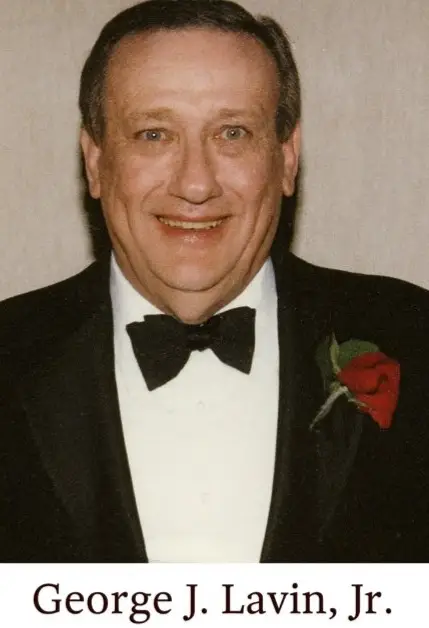
Legacy of Trial Wisdom: George J. Lavin, Jr., Esquire
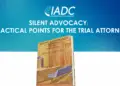
The Lavin Method: Silent Advocacy Practical Points for the Trial Attorney
This is part of a series of blog posts on the book written by George J. Lavin, Jr and co-authored by Chilton Davis Varner.
Introduction: Why Expert Depositions Matter
Expert witnesses often shape the outcome of modern trials. They bring authority in technical areas such as engineering, medicine, and science. But they also present a challenge: jurors may defer to experts simply because they are experts, even when the reasoning is flawed.
George J. Lavin, Jr., Esquire understood this better than most. For him, taking the expert’s deposition was not a matter of routine but a matter of strategy. A deposition can confine the expert to narrow positions, expose weaknesses, and lay the groundwork for exclusion under Daubert or Frye. But it can also backfire, teaching the expert and sharpening their testimony.
Before applying Lavin’s 12-point method, it is critical to recognize that the rules on expert depositions differ dramatically between federal and state courts.
Expert Depositions: Federal vs. State Court
One of the first questions Lavin teaches us to ask is whether an expert deposition is even available. The answer depends on the court system.
- Federal Courts – Under Federal Rule of Civil Procedure 26(b)(4)(A), parties may depose any testifying expert. This makes expert depositions routine in federal litigation, especially in product liability and engineering cases. Non-testifying consulting experts, however, are shielded from discovery.
- State Courts – The rules vary significantly:
- Pennsylvania: Expert depositions are generally not permitted in civil cases. Discovery is limited to written reports under Pa. R.C.P. 4003.5, unless parties agree or the court orders otherwise.
- New Jersey: Expert depositions are permitted and common, particularly in product liability and complex tort cases.
- New York: Expert depositions are generally not allowed. Disclosure is limited to expert statements under CPLR 3101(d).
- Treating Physicians vs. Retained Experts – Treating physicians may be deposed as fact witnesses, but retained experts (engineers, scientists, doctors hired for litigation) are subject to the jurisdiction’s expert discovery rules.
Editor’s Note: A Personal Conversation with George J. Lavin, Jr., Esquire
In a personal conversation I once had with Mr. Lavin, he shared his candid view on expert depositions. He told me that, whenever possible, he preferred not to take the expert’s deposition. His reasoning was strategic:
- He wanted to maintain the element of surprise in front of the jury. Scoring points live during cross-examination was far more powerful than previewing them in deposition.
- He believed that deposing the expert often taught them more than it helped the lawyer. By questioning them in advance, he risked giving the expert new ideas, allowing them to conduct further testing or revise opinions before trial.
- As he said to me directly: “The experts are all smart.” Giving them a rehearsal only made them sharper when it mattered most.
This philosophy underscores Lavin’s courtroom instincts: while depositions can be powerful, sometimes the strongest move is to hold fire and confront the expert live before the jury.
Lavin’s 12 Strategies for Taking the Expert’s Deposition
1. Identify the Expert’s Credentials
Probe education, certifications, and real-world experience. Separate “professional witnesses” from genuine practitioners.
2. Obtain the Expert’s Opinions
Demand clarity on whether opinions are preliminary or final.
3. Develop a Timeline
Have the expert walk through when records were reviewed, tests conducted, and conclusions formed. Gaps show weakness.
4. Fence in the Expert
Lock the expert into data, methods, and scope of testimony. Use the deposition to prevent trial-day expansions.
5. Ask the Expert What Would Have Solved the Problem
Force admissions on safer designs or procedures. These answers often become the heart of a negligence theory.
6. Ask Whether the Expert Will Supplement Opinions
Pin down whether new opinions are expected. If they appear later, you can move to exclude.
7. Establish the Expert’s Compensation
Explore hourly rates, billing, and total fees. Jurors weigh financial bias heavily.
8. Probe for Additional Work or Rebuttal
Identify if the expert intends to rebut your experts or conduct further testing. This prevents surprise.
9. Use the Transcript as a Tool
A signed deposition transcript is the ultimate impeachment weapon if the expert shifts testimony at trial.
10. Lay the Foundation for Exclusion
Ask questions with Daubert and Frye in mind—methodology, peer review, error rate. Build a record for exclusion.
11. Expose the Obvious or the Unnecessary
Show when testimony adds nothing new, making it vulnerable under Rule 702’s “helpfulness” requirement.
12. Challenge the Expert’s Reliance on Authority
Don’t let the expert rely on credentials alone. Force them to explain reasoning, not just cite authority.
Case Law: Frye, Daubert, and Beyond
Lavin closes with reference to the standards controlling admissibility of expert testimony:
- Frye v. United States (1923) – Expert methods must be “generally accepted” in the field.
- Daubert v. Merrell Dow Pharmaceuticals (1993) – Judges act as gatekeepers, ensuring reliability and relevance.
- Kumho Tire v. Carmichael (1999) – Extended Daubert to technical and specialized experts.
These cases remind us that expert depositions are not just discovery—they are the foundation of admissibility battles.
Conclusion: Lavin’s Legacy on Taking the Expert’s Deposition
George J. Lavin, Jr.’s 12-point method, his caution about overusing depositions, and his emphasis on admissibility remain timeless.
Taking—or strategically avoiding—the expert’s deposition is not a routine choice. It is a deliberate act of trial strategy, one that can determine whether the jury hears an expert at all. By mastering Lavin’s lessons, today’s trial lawyers continue his legacy of preparation, strategy, and courtroom excellence.
Quick Answers: Taking the Expert’s Deposition
Q: Why is taking the expert’s deposition important?
A: Expert depositions allow lawyers to lock witnesses into specific opinions, expose weaknesses, and build a record for exclusion under Daubert or Frye. They prevent trial surprises and give attorneys the tools to cross‑examine effectively in front of a jury.
Q: What is the difference between expert depositions in federal and state courts?
A: In federal courts, Rule 26 permits depositions of testifying experts. In many state courts, including Pennsylvania and New York, expert depositions are generally not allowed, while states like New Jersey routinely permit them. Always check jurisdictional rules.
Q: Can an expert change opinions after deposition?
A: Experts may try, but if locked into final opinions during deposition, new testimony can be excluded or used for impeachment. Courts discourage shifting opinions, especially when they prejudice the opposing party.
Frequently Asked Questions (FAQ)
Are expert depositions always allowed?
No. In federal court, Rule 26 permits them. In many state courts, such as Pennsylvania and New York, expert depositions are generally prohibited. Always check the governing rules in your jurisdiction.
Why would a lawyer choose not to take an expert deposition?
As George J. Lavin, Jr. explained, depositions can sometimes “teach” the expert and remove the element of surprise. Strategic restraint can be stronger if a live cross‑examination in front of the jury will be more impactful.
What standards govern expert testimony admissibility?
Courts apply the Frye “general acceptance” test or the Daubert reliability standard (and Kumho Tire). Depositions are critical for developing the record to argue admissibility under these standards.
How much do expert witnesses charge?
Rates vary widely, but experts often bill hundreds of dollars per hour, with total fees in the tens of thousands for complex cases. Explore compensation at deposition to assess bias.
Disclaimer
This blog is for educational purposes only and reflects insights from The Lavin Method. It is not intended as legal advice. Every case is different, and you should consult with a qualified attorney regarding specific legal issues.