

Should You and Your Client Gamble on the Outcome of a Civil Jury Trial?
🎯 “Make your case fit the evidence. Do not try to make the evidence fit your case.” — A Civil Trial Maxim from George J. Lavin, Jr.
⚖️ The Most Overlooked Strategic Decision: Whether to Try the Case at All
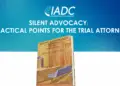
In Silent Advocacy, George J. Lavin, Jr. challenges litigators to pause before gearing up for trial. He asks the most fundamental — and often most avoided — question:
Should this case even go to trial?
While many lawyers and clients would say yes reflexively, the truth is more nuanced. Lavin explains that civil litigators are often risk-averse by nature. They may settle a winnable case not out of strategy, but out of fear — fear of the unknown, fear of looking like a “loser,” or fear of a jury that doesn’t understand the case.
Lavin’s antidote? Preparation. Perspective. And a brutally honest early assessment.
🧭 The Trial Readiness Assessment: Plus or Minus?
Early in the case — once facts are reasonably developed — Lavin urges lawyers to step back from advocacy and analyze the case like a third-party evaluator. Use his simple but revealing Plus/Minus Test to guide the conversation with your client.
Here’s how it works:
| Factor | Evaluate… |
|---|---|
| A. The Basic Facts | Are the facts intuitive? Do they clearly favor justice for your client in the eyes of a layperson? |
| B. The Forum | Is the trial court favorable? Consider the judge, local rules, jury demographics, and venue politics. |
| C. The Experts | Who will be more persuasive in the “Battle of the Experts”? Are your experts clear, credible, and compelling? |
| D. The Exhibits | Do you have visual, demonstrative, or documentary evidence that will resonate with jurors? |
| E. The Injuries (in personal injury cases) | Are the injuries significant and obvious? Do they emotionally compel compensation? |
| F. The Attorneys | How do you and opposing counsel compare in terms of courtroom skill, experience, and likability? |
| G. Likely Discovery | Will discovery produce documents, emails, or data that might hurt your case? |
| H. “Get Mad” Facts | Are there emotional facts that trigger outrage or sympathy in favor of your client? |
Assign each a Plus (favors trial) or Minus (cautions against trial). It’s not about math — it’s about recognizing the emotional and strategic momentum of your case.
👁️🗨️ Case Study Example: A Premises Liability Claim
Take, for instance, a slip-and-fall case in a South Philadelphia supermarket. The client suffered a fractured hip, and there’s grainy surveillance footage of the fall.
- Basic Facts: The floor was wet, no warning signs. ✅ Plus.
- Forum: The case is in a plaintiff-friendly judicial district. ✅ Plus.
- Experts: Your safety expert has a calm demeanor. Theirs is aggressive and prone to technical jargon. ✅ Plus.
- Exhibits: The surveillance footage is hard to interpret. ⚠️ Minus.
- Injuries: The fracture required surgery, but the client recovered quickly. ⚠️ Neutral.
- Attorneys: You’ve tried five similar cases in this court. Opposing counsel hasn’t. ✅ Plus.
- Discovery: Minimal documentation. ✅ Plus.
- Get Mad Facts: The store manager had ignored two prior complaints about leaks in the same spot. ✅ Strong Plus.
In this case, the test tilts clearly toward trial — and gives the client confidence that this isn’t just a roll of the dice, but a calculated legal move.
📚 Trial Wisdom from Silent Advocacy
Lavin is clear: the goal is not to bend the evidence to fit a preferred outcome. Instead, the advocate must remain honest and realistic, even in the early stages of litigation. This self-discipline separates seasoned trial lawyers from those who chase every case into court regardless of merit or risk.
His advice:
“Evaluate your case as if you’re a stranger to it. See it through the jury’s eyes — not your own.”
Repeated use of this evaluation — as new facts arise — helps eliminate bias and avoid courtroom surprises. It also sets the tone for settlement discussions. A well-prepared advocate who knows when and why they’re willing to go to trial commands more respect at the negotiation table.
⚖️ When It’s Not About Money: The Principle vs. The Price
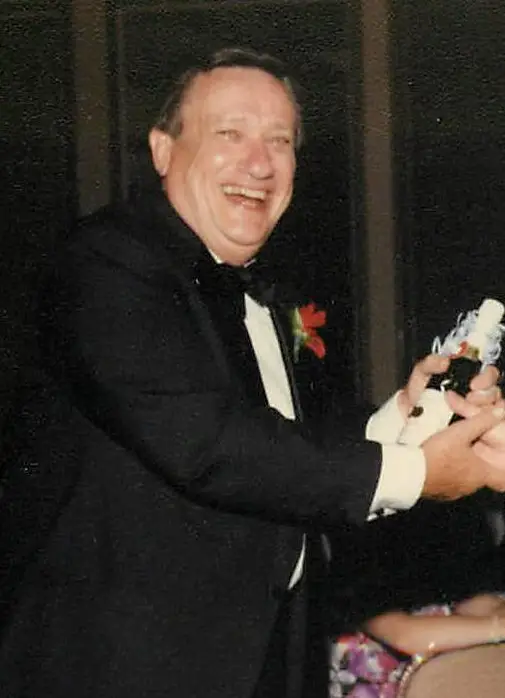
Years ago, George J. Lavin, Jr. handled a tragic case involving the death of a child. The child had been sitting in the front seat of a parked car when another vehicle struck the vehicle. The child’s grandparent was behind the wheel. It was a case of first impression — no legal precedent squarely addressed the unique facts.
But what stood out most wasn’t the legal novelty. It was Lavin’s clarity in defining the emotional core of litigation:
“There are two kinds of cases,” he explained.
“One is about money. The other is about principle.
You can always settle when it’s about money — it’s just a matter of how much.
But when it’s about principle, no amount of money will settle the matter.”
This lesson continues to resonate today. Some clients pursue justice not because they want compensation, but because they want acknowledgment, change, or accountability. In these cases, the role of the trial attorney changes: you’re not just negotiating numbers — you’re standing for something that money can’t fix.
Understanding whether a case is truly about damages or about principle is one of the most important assessments a lawyer can make before deciding to go to trial.
🎯 Closing Thought
Trial work is more than performance. It begins with judgment.
If you’re not willing to take the time to evaluate whether you should go to trial, you’re not truly prepared for the courtroom. Silent Advocacy teaches that great litigators are as much strategists as they are storytellers — and it all starts with that first plus or minus.
✅ This is Lesson #2 in our Silent Advocacy Series, based on the book by George J. Lavin, Jr. For more insights into trial strategy, follow PhillyLegalNews.com.
🔎 Coming Next in the Silent Advocacy Series
Lesson 3: The Pre-Trial Phase — When You Are Still Far from Trial
Before a single motion is filed or a witness prepped, trial preparation begins. In the next installment, we explore how early decisions, document management, and litigation posture shape the trial before it ever begins.
Stay tuned for practical strategies and quiet lessons from the trenches.
📌 Disclaimer
The views, commentary, and materials presented in this post are for educational and informational purposes only. This site is not affiliated with or endorsed by George J. Lavin, Jr., Chilton Davis Varner, or the publishers of Silent Advocacy: A Practical Primer for the Trial Attorney. All rights to the referenced materials and images belong to their respective owners. If you believe any content requires correction or removal, please contact us directly.